






What to Check Before Calling for AC Repair in Grand Prairie, TX
When the brutal Dallas-Fort Worth summer hits, your air conditioning system is the only thing standing between your family and 100°F+ temperatures. If your home suddenly starts feeling uncomfortably warm, your first instinct is probably to panic and immediately search for an AC repair contractor in Grand Prairie, TX.
While our engineering team is always ready to dispatch help, not every cooling issue requires a professional service call. In fact, roughly 15% to 20% of the "no-cool" emergency calls we receive in Grand Prairie end up being minor issues that the homeowner could have fixed themselves in less than five minutes.
Before you spend money on a diagnostic fee, run through this comprehensive HVAC troubleshooting checklist. If your system still isn’t working after checking these five areas, you’ll know it’s time to call in the professionals.
The Ultimate Homeowner's HVAC Troubleshooting Checklist
1. Inspect Your Thermostat Settings and Batteries
It sounds overly simple, but you would be surprised how often a blank thermostat is the only reason an AC system isn't running.
- Check the Display: Is the screen completely blank? If your thermostat isn't hardwired, try swapping out the AA or AAA batteries.
- Verify the Mode: Ensure the system is explicitly set to "Cool" and not accidentally bumped to "Heat" or "Off."
- Fan Settings: Make sure the fan switch is set to "Auto" rather than "On." If it’s set to "On," the indoor blower will run continuously, blowing unconditioned, room-temperature air through your vents even when the outdoor condenser isn't actively cooling.
2. Check the Air Filter (The #1 Culprit)
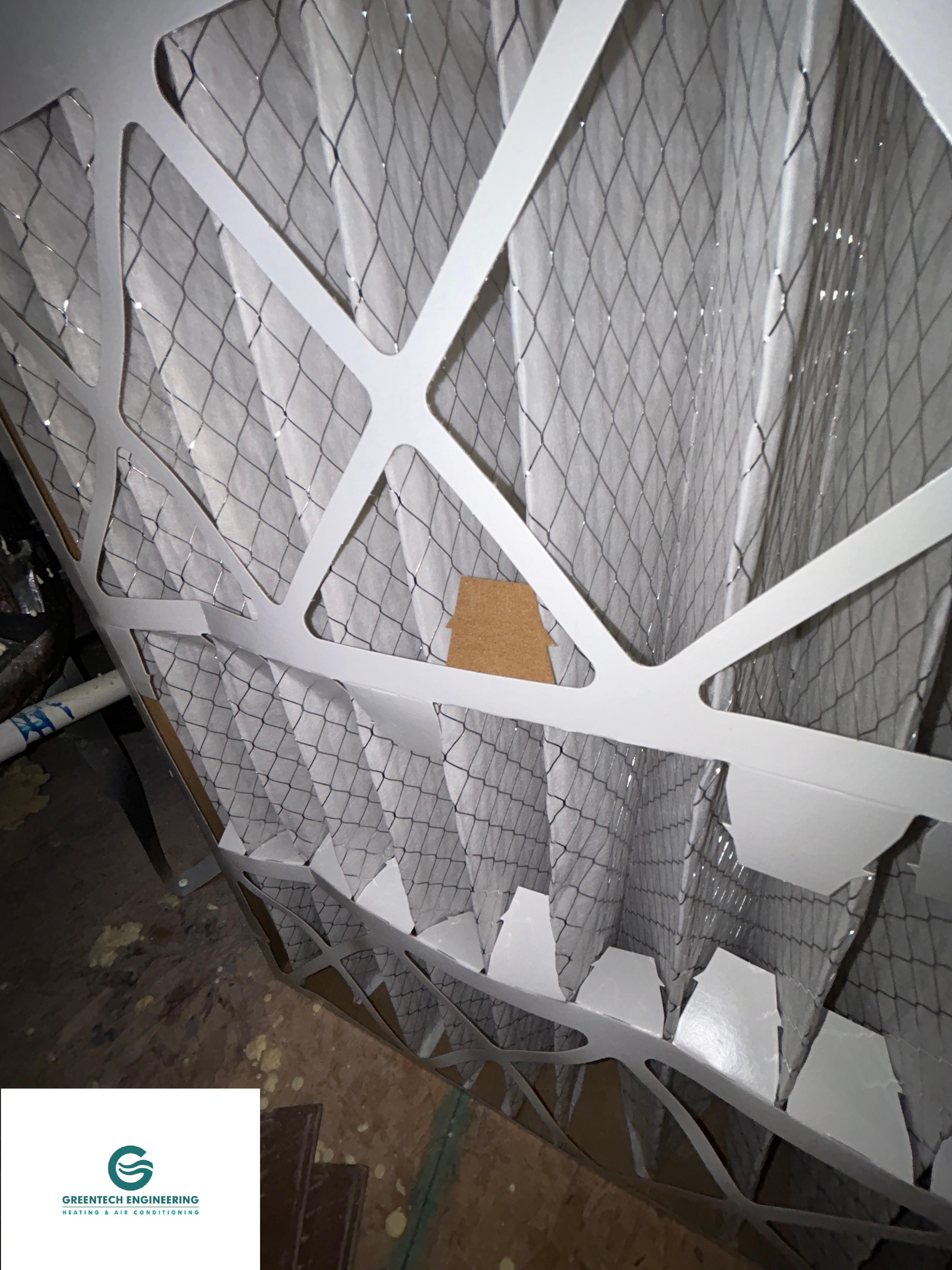
A clogged air filter is the most common cause of weak airflow, uneven home temperatures (hot and cold spots), and frozen evaporator coils. According to the U.S. Department of Energy, replacing a dirty, clogged filter with a clean one can lower your air conditioner's energy consumption by 5% to 15%.
- The Fix: Locate your return air grille or the filter slot on your indoor air handler. Pull the filter out and hold it up to a light. If you cannot see light passing through the material, it is severely restricting your system's static pressure. Replace it immediately with a fresh, appropriately sized filter.
3. Inspect the Circuit Breakers and Disconnect Switches
HVAC systems consume a massive amount of electricity, particularly during startup. A sudden power surge or an overworked compressor can easily trip a circuit breaker.
- Main Electrical Panel: Go to your home’s main breaker box. Look for the switches labeled "AC," "HVAC," or "Condenser." If a switch is in the middle, neutral position, flip it completely off, and then firmly back to the "On" position.
- Outdoor Disconnect Box: There is usually a small gray box mounted on the exterior wall near your outdoor compressor. Ensure the disconnect switch hasn't been accidentally pulled or flipped off.
4. Check the Condensate Drain Line Safety Switch
Because AC units remove high levels of humidity from the DFW air, they generate gallons of water a day. This water drains out through a PVC pipe. If this pipe gets clogged with algae or dirt, the water backs up. Modern HVAC systems are equipped with a float switch (often a Safe-T Switch) that will automatically shut the entire AC system down to prevent catastrophic water damage to your ceiling or floors.
- The Fix: Check the drain pan under your indoor unit (usually in the attic or a closet). If there is standing water, your drain line is clogged. You can use a wethttps://www.google.com/search?q=/dry shop vacuum to try and suck the clog out from the exterior exit pipe.
5. Clear the Area Around Your Outdoor Condenser
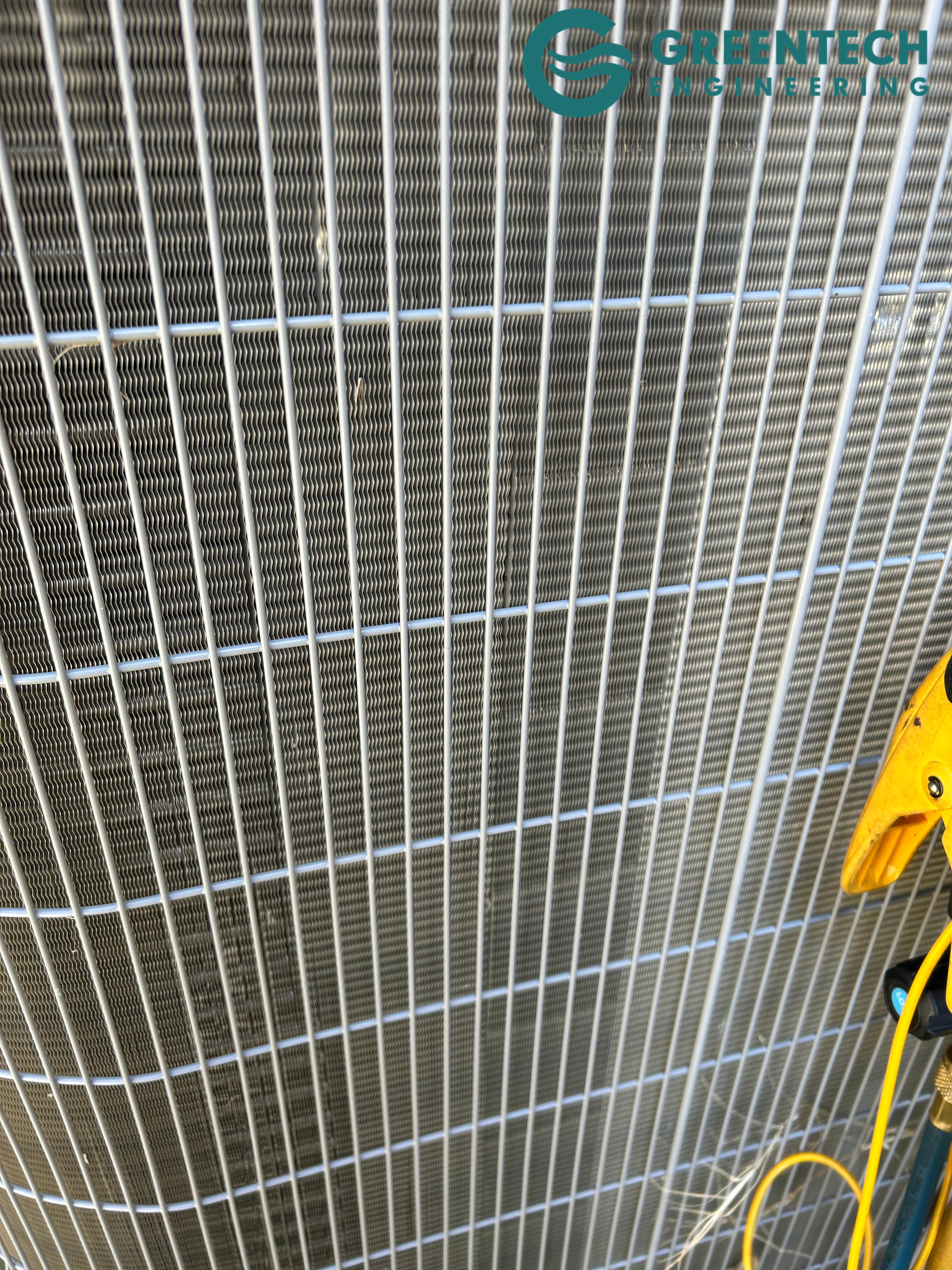
Your outdoor unit needs to "breathe" to properly exhaust the heat it pulls from inside your home. If bushes, tall grass, or debris are crowding the unit, the system will overheat and shut down on a high-pressure safety limit. Ensure there is at least two feet of clear space around the entire perimeter of the unit.
When It Is Time to Call a Professional Engineer
If you have completed the checklist above and your Grand Prairie home is still not cooling, you are likely dealing with a mechanical or electrical failure. Turn off your system at the thermostat immediately. Forcing a broken system to run can turn a minor electrical fix into a catastrophic compressor failure.
It is time to schedule a professional AC repair service if you notice:
- Ice buildup: Frost on the copper refrigerant lines outside or on the indoor indoor coils indicates a severe airflow restriction or a refrigerant (Freonhttps://www.google.com/search?q=/Puron) leak.
- Loud grinding or buzzing noises: A loud buzzing from the outside unit usually means an electrical component is trying (and failing) to send power to the compressor.
- Warm air blowing from the vents: This often points to a failed capacitor or a lack of refrigerant.
🛠️ Field Report: Grand Prairie AC Repair (ZIP 75051)
The Problem: We recently dispatched an engineer to a single-family house in Grand Prairie (75051). The homeowner called reporting that their AC was running but blowing warm air. They had wisely followed basic troubleshooting steps—checking their breaker and replacing a dirty filter—but the system was still failing to cool the house.
The Diagnosis: Upon arrival, our technician performed a comprehensive digital diagnostic. We discovered a compounding two-part failure. First, the outdoor condenser had a failed dual-run capacitor. Second, and more severely, the system had a restricted Thermostatic Expansion Valve (TXV). The TXV meters the exact amount of liquid refrigerant entering the indoor coil. Because it was failing, the system was essentially starving for refrigerant, making it impossible to absorb heat from the house.
The Engineered Solution: To restore the system to factory performance, our team executed a strict repair protocol:
- Electrical Repair: We safely replaced the failed dual-run capacitor so the outdoor unit could properly engage.
- Refrigerant Recovery: We safely pumped the system down to isolate the refrigerant, ensuring zero environmental leaks.
- Mechanical Replacement: We removed the restricted TXV and the old filter drier. We then installed a brand-new TXV and a new filter drier to protect the compressor from any future moisture or debris.
- Deep Vacuum: To guarantee the physical integrity of the copper lines, we vacuumed the system down to under 500 microns. This is a critical engineering standard to ensure absolutely no moisture or non-condensable gases remain in the lines.
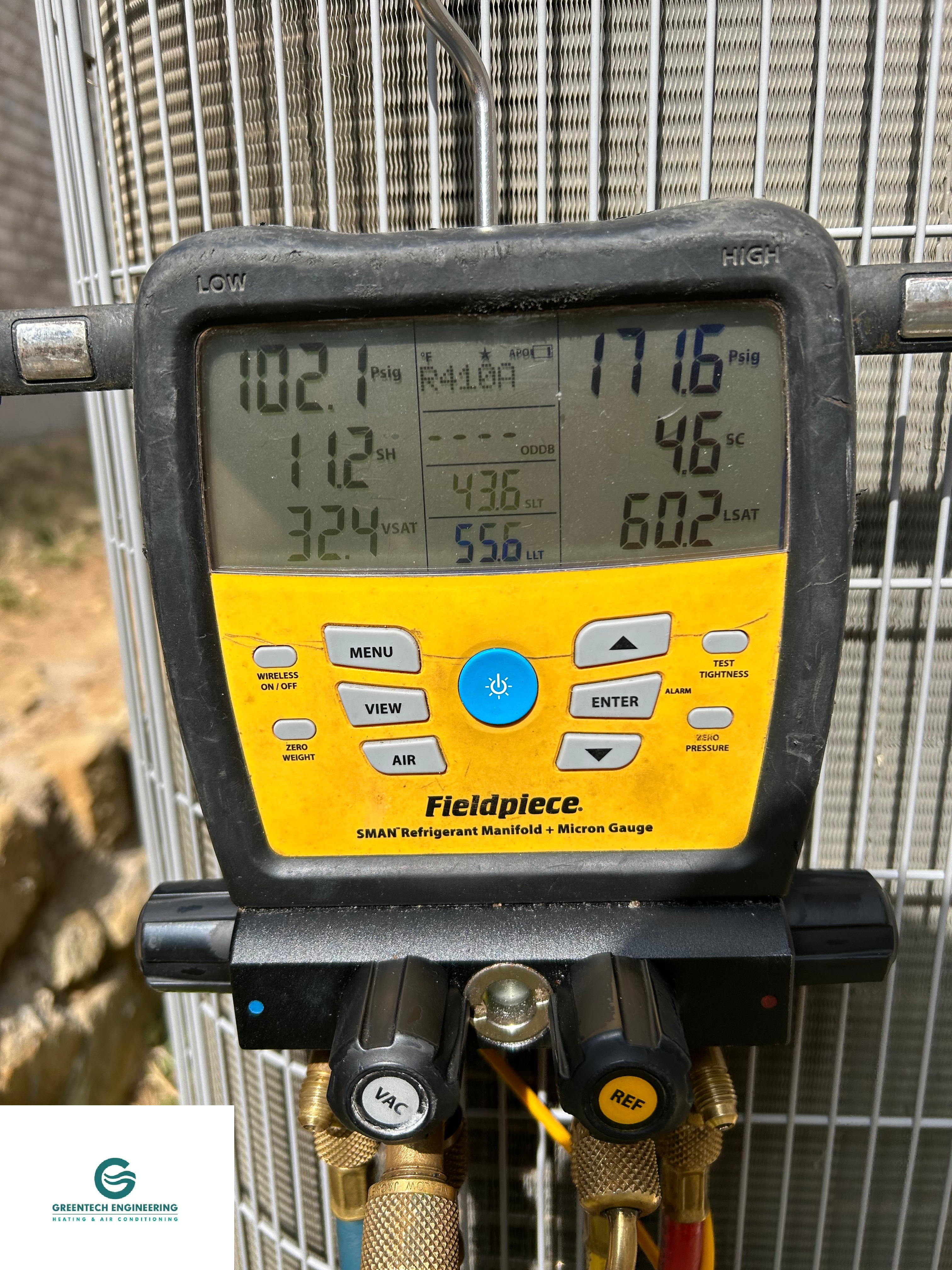
- Data-Driven Commissioning: We released the refrigerant back into the system and observed the operation using our Fieldpiece digital manifolds. We verified that the system's pressures, subcooling, and superheat levels were perfectly balanced.
The Outcome: The system fired up and operated normally, restoring strong, ice-cold airflow to the home. By utilizing digital diagnostics and strict repair protocols, we saved the homeowner's compressor and extended the life of their current system.

Frequently Asked Questions (Homeowner Q&A)
Q: How much does AC repair typically cost in Grand Prairie?
A: The cost varies depending on the specific component failure. A simple fix, like replacing a capacitor or contactor, is highly affordable. However, repairing a major refrigerant leak or replacing a locked-up compressor can be significantly more expensive. At Greentech Engineering, we pride ourselves on data-driven diagnostics. We will pinpoint the exact point of failure and provide transparent, upfront pricing before any work begins.
Q: Why is my AC running but not cooling my house?
A: If the blower is pushing air but the air isn't cold, you most likely have a refrigerant leak, a frozen evaporator coil, or a failed compressor capacitor. Shut the system off immediately to prevent further internal damage and call an engineer to check the system pressures.
Q: Is it better to repair or replace an old air conditioner?
A: A general industry guideline is the "5,000 Rule." Multiply the age of your equipment by the estimated cost of the repair. If the total exceeds $5,000, replacing the unit is usually the better financial decision. As an Oncor Participating Service Provider, we can help you offset replacement costs by securing maximum energy rebates on high-efficiency systems like the Daikin Fit.
Trust the Engineering Standard for Your DFW Home
Don't let a minor AC issue turn into a major headache. If you've run through the troubleshooting checklist and your home is still hot, you need a team that relies on physics and electrical data, not guesswork.
Greentech Engineering Heating & Air Conditioning provides mathematically precise, rapid-response repairs to keep Grand Prairie families comfortable year-round.
Experiencing AC trouble? Call Greentech Engineering today at (469) 551-6806 or schedule your service online.
About the Author: Siwei (Lucas) Chen
CTO | Greentech Engineering Heating & Air Conditioning
Lucas specializes in engineering-driven HVAC diagnostics, performance optimization, and energy-efficiency upgrades for North Texas homeowners. Holding a B.S. in Mechanical Engineering from Virginia Tech, he brings a strict, data-first approach to residential heating and cooling. Under his technical leadership, Greentech Engineering ensures every system is perfectly calibrated for the Dallas-Fort Worth climate.
Professional Certifications:
- ACCA Certified (Manual J, S, D)
- NCI Certified – Air Balancing & Duct Optimization
- Daikin Comfort Pro Contractor
- Oncor Participating Service Provider

Flexible Financing Options
Explore our range of flexible financing options designed to suit your needs and budget.