



Attic Insulation & Ventilation for HVAC Efficiency: How to Reduce Energy Loss and Improve Airflow
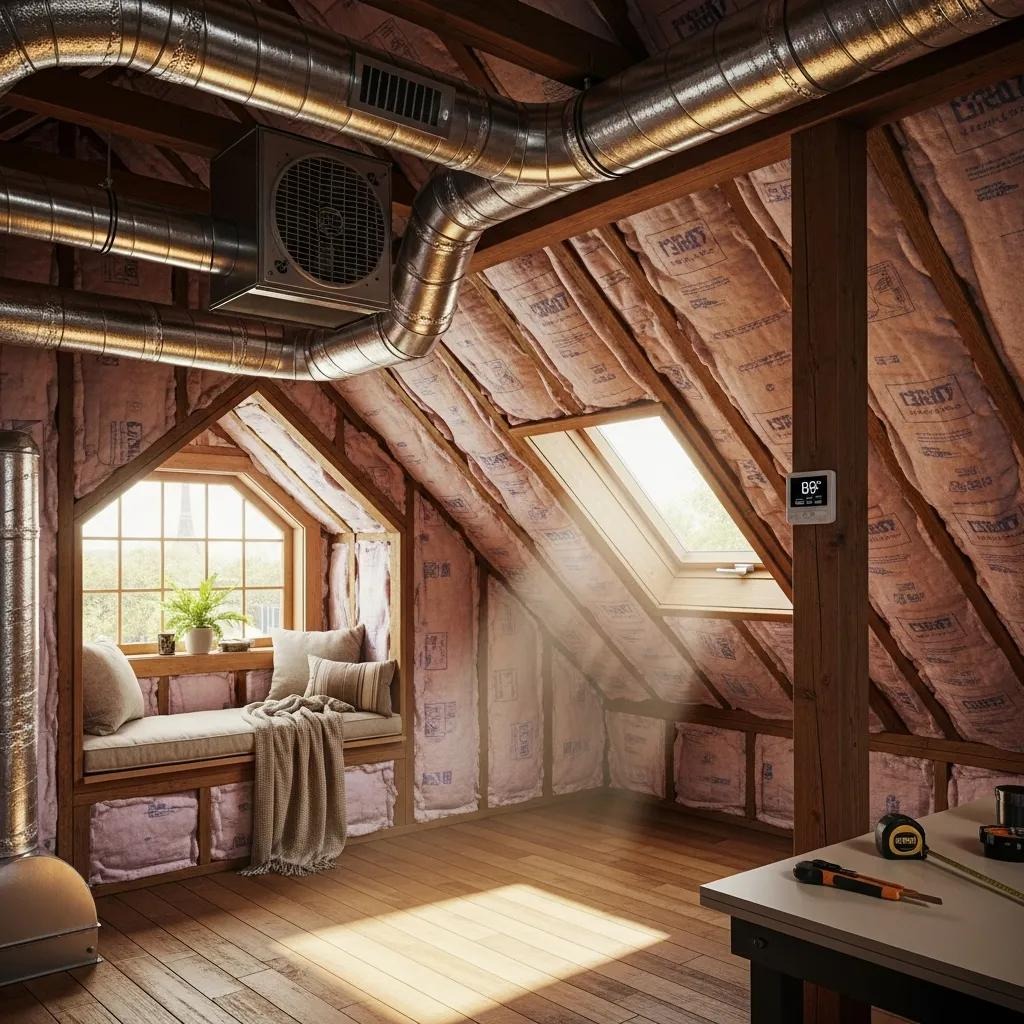
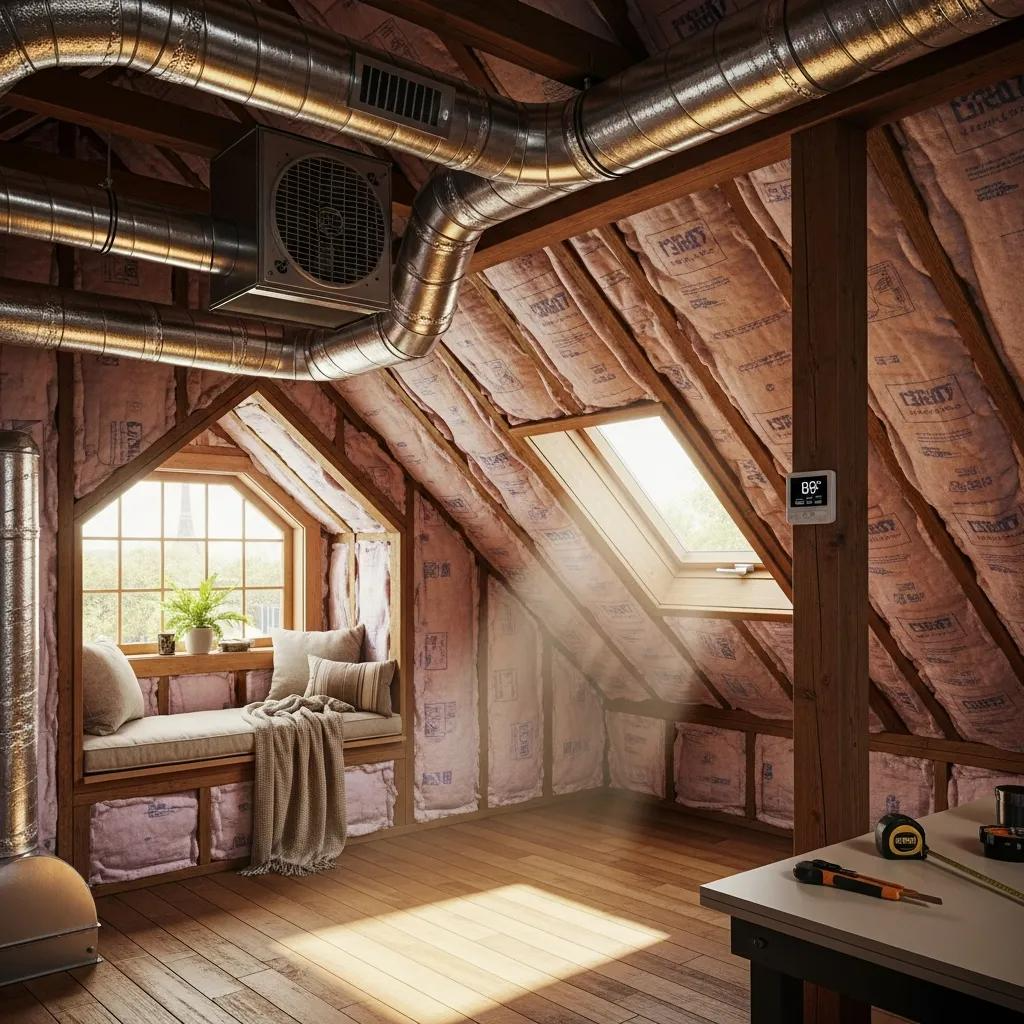
Attic insulation and ventilation strongly affect HVAC performance, energy use, and home comfort. Insulation limits heat flow. Good ventilation moves air and stops moisture buildup. This article explains common attic-related energy losses, insulation types that improve efficiency, and maintenance steps that keep systems running well. With this info, homeowners can cut energy costs and improve HVAC function.
Beyond basic definitions, it helps to think of the attic as part of the home's thermal envelope and moisture-control system. When insulation and ventilation work together, they stabilize interior temperatures, reduce strain on heating and cooling equipment, and limit conditions that can lead to rot or mold. This practical guide focuses on solutions that apply to typical residential attics and includes inspection tips, material trade-offs, and service considerations.
What Causes HVAC Energy Loss Related to Attic Insulation and Ventilation?
Energy loss usually comes from poor attic insulation or blocked ventilation. Thin or missing insulation lets heat escape in winter and enter in summer. Poor ventilation traps heat and moisture in the attic. Both forces your HVAC to run longer and can damage roof and insulation materials. Fixing these problems improves efficiency and extends system life.
Two common patterns drive most attic-related losses: thermal bypasses and inadequate continuous insulation. Thermal bypasses happen where warm or cool air moves through gaps around recessed lights, attic hatches, duct chases, or around wiring and plumbing. Continuous insulation gaps or compression reduce the effective R-value where it matters most. Identifying both issues is the first step to cost-effective upgrades.
How Does Poor Attic Insulation Increase HVAC Energy Consumption?
Weak attic insulation raises HVAC use because it lets heat move more easily through the attic boundary. The system then runs more often to keep temperatures steady. That raises bills and can wear out equipment sooner. Homes with R-values below recommendations may lose significantly more energy, so proper insulation matters.
Common insulation problems include compressed batts, uneven DIY installations, missing insulation around perimeter bands, and areas where existing insulation has settled. Insulation performance also drops if it becomes wet, contaminated by pests, or is physically damaged. Addressing the root cause—air sealing and correct depth—typically gives the best return on investment.
- Air leaks: Seal attic bypasses at top plates, light fixtures, and attic access panels before adding more insulation.
- Compression: Avoid walking on batt insulation and keep it fluffed to maintain R-value.
- Moisture: Track and fix roof or plumbing leaks; wet insulation must be dried or replaced.
In What Ways Does Inadequate Attic Ventilation Affect HVAC Performance?
Poor attic ventilation creates trapped heat and moisture, which raise indoor temperatures and humidity. That makes your HVAC work harder and lowers efficiency. It can also harm the system over time. Adding proper ventilation restores airflow, lowers strain, and helps protect equipment.
In addition to higher operating costs, inadequate ventilation increases the risk of condensation on cold surfaces and accelerates material degradation. In cold climates, trapped moisture can contribute to ice dam formation at the roof edge; in warm climates, high attic temperatures can compromise ductwork and reduce cooling efficiency. Ventilation should be matched to the attic's design and the presence of insulation and air barriers to avoid unintended consequences.
Which Types of Attic Insulation Best Enhance HVAC Energy Efficiency?
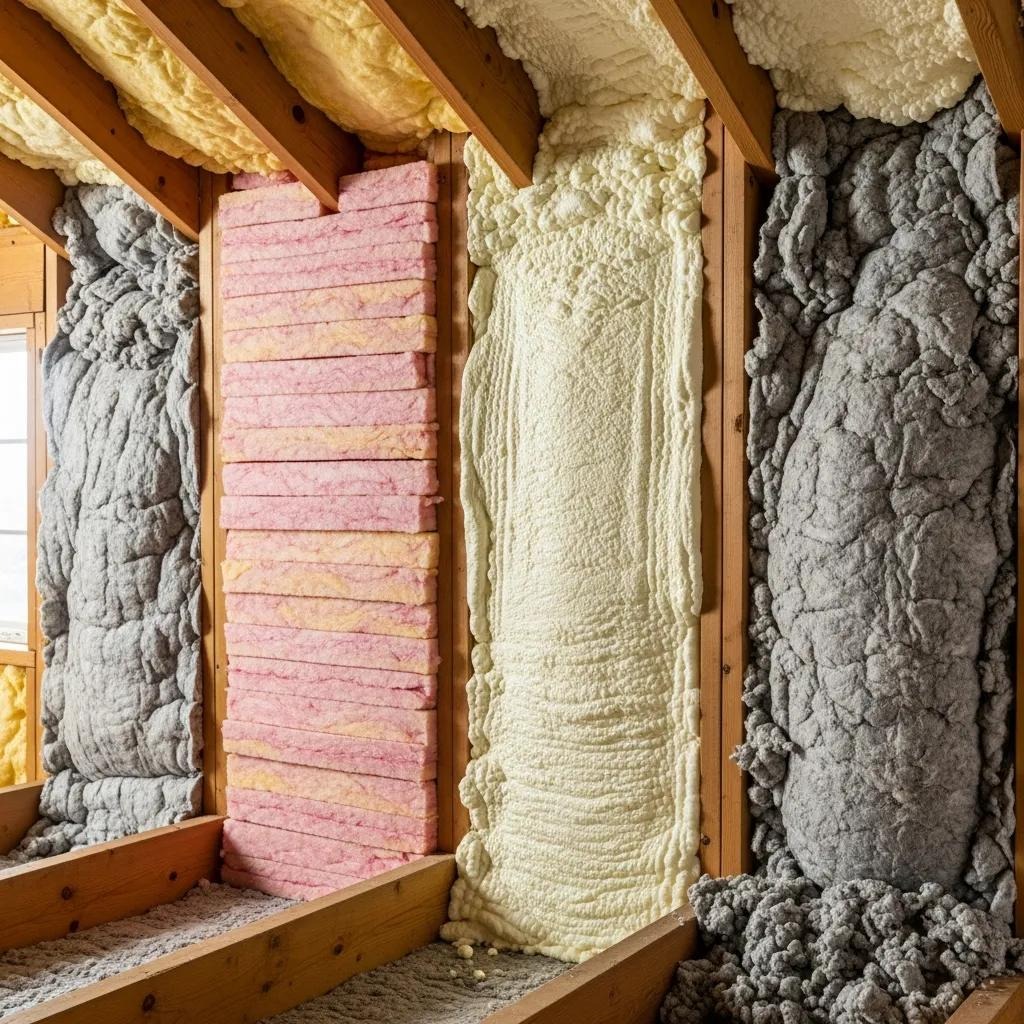
Picking the right attic insulation is key to cutting energy loss. Different materials deliver different benefits. Knowing those differences helps you choose the option that fits your home and goals.
Each insulation type has strengths that affect efficiency. For example, spray foam seals gaps and can cut air leakage more than fiberglass batts, reducing energy loss.
To expand on the table: fiberglass batts are widely used for accessibility and low cost; they perform well when installed correctly and kept dry, but they are susceptible to gaps around irregular framing. Cellulose blown-in insulation fills voids and can settle into irregular spaces, making it a good retrofit option for older homes. Spray foam provides both insulation and an air barrier, which can simplify attic air sealing but typically costs more and requires professional application.
When choosing a material, consider the attic configuration: for vented attics where the insulation is placed on the attic floor, focus on depth and continuity; for unvented or conditioned attics built at the roofline, consider airtight spray foam or rigid insulation installed by a professional. Each approach changes how you handle ventilation and ductwork.
What Are the Benefits of Energy Efficient Insulation Materials?
Energy-efficient insulation lowers bills, evens indoor temperatures, and reduces HVAC workload. Many options, like cellulose, use recycled material and cut carbon output. Investing in quality insulation yields long-term savings and better comfort.
Additional benefits include quieter interiors, fewer drafts, and increased resilience against outdoor temperature swings. Over time, improved insulation can allow homeowners to downsize equipment or delay replacement because the existing HVAC operates under less strain. When paired with proper air sealing and ventilation, insulation upgrades create a more predictable indoor environment.
How Do R-Values Impact Attic Insulation Effectiveness?
R-values show how well insulation resists heat flow. Higher R-values mean better performance. Choose materials that meet or exceed your climate's recommended R-value. Attics in cold areas may need R-49 or higher, while warmer regions often aim for around R-30. Understanding R-values helps you pick the right insulation to boost efficiency and comfort.
R-value is only part of the picture. Installation quality, continuity of the thermal barrier, and control of air leaks all influence real-world performance. For example, an attic with gaps at top plates or recessed fixtures will lose value even with a high R-value product. A combined approach—air sealing, properly installed insulation, and appropriate ventilation—produces the best results.
If you are assessing existing insulation, simple checks include measuring depth (for loose-fill or batt systems), looking for signs of settling or pests, and noting areas with discolouration or odors that might indicate moisture. When in doubt, a professional assessment with infrared imaging or a blower-door test can reveal hidden heat loss paths.
How Does Proper Attic Ventilation Improve HVAC System Efficiency?
Proper attic ventilation keeps air moving, prevents heat buildup, and limits moisture. That stabilises attic temperatures, cuts HVAC load, and lowers the risk of mold or structural damage. Good airflow supports more efficient system operation.
Effective ventilation balances intake and exhaust so cool outside air enters where intended and warm, moist air exits at the ridge or gable. Simple components that support this balance include soffit baffles to keep intake open, clear pathways from soffit to ridge, and properly sized vents for the attic volume. When installed and maintained correctly, ventilation extends the useful life of roof materials and reduces peak loads on cooling systems.
The effectiveness of dedicated attic ventilation systems is a key area of study for improving overall home energy performance.
What Are the Most Effective Attic Ventilation Methods?
Several common ventilation methods help improve HVAC efficiency and attic conditions:
- Ridge Vents: Installed at the peak of the roof, allowing hot air to escape.
- Soffit Vents: Placed under the eaves, providing fresh air intake.
- Gable Vents: Positioned on the gable ends of the attic, promoting cross-ventilation.
Used together, these vents create a balanced system that improves airflow and reduces energy use.
In some attics, powered ventilation—such as a thermostatically controlled exhaust fan or solar-powered attic fan—can supplement passive systems. However, powered solutions should be selected and installed with care so they complement, not undermine, the home's pressure balance. For example, an exhaust fan without adequate intake can draw conditioned air from living spaces into the attic.
How Does Improved Attic Airflow Reduce HVAC Strain?
Better attic airflow keeps temperatures and humidity steady, so the HVAC doesn't have to run as often. That cuts energy use and extends equipment life. Make sure vents stay clear and insulation is installed correctly to improve circulation.
Practically speaking, improving airflow can reduce peak attic temperatures and lower heat transfer to living spaces during hot weather. Similarly, in cold weather, ventilation helps remove moisture-laden air that could condense on cold surfaces. A well-ventilated attic supports ductwork performance and reduces the likelihood of costly repairs linked to moisture or excessive heat.
What Maintenance Practices Optimize Attic Insulation and Ventilation for HVAC?
Regular checks and upkeep keep insulation and ventilation working as intended. Inspect the attic for sagging or damaged insulation, blocked vents, and signs of moisture. Timely fixes preserve efficiency and prevent bigger problems.
A practical maintenance routine combines visual inspections with preventive tasks. Clear bird or rodent nests from vents, confirm soffit pathways are unobstructed, and ensure attic access panels are sealed. Replace or top-up insulation where settling or damage has reduced depth. Maintaining a dry attic is critical—address any plumbing or roof leaks immediately.
How Often Should Attic Insulation and Ventilation Be Inspected?
Inspect insulation and ventilation at least once a year, ideally before heating and cooling seasons. Early checks let you fix problems before they get worse. Watch for big temperature swings, rising energy bills, or visible mold as signs you need an inspection.
It’s also wise to inspect the attic after major storms, after pest activity, or when performing other roof or ceiling repairs. Some homeowners build a short seasonal checklist—confirm vent openings are clear in spring, verify no moisture signs after summer, and check insulation depth and attic hatch seals in fall.
What Are Common Signs of Poor Attic Insulation and Ventilation?
Common signs include:
- Inconsistent Temperatures: Rooms that are significantly warmer or cooler than others.
- High Energy Bills: Unexpected increases in heating or cooling costs.
- Moisture Issues: Signs of mold or mildew in the attic or on ceilings.
Fixing these problems quickly can stop further damage and restore HVAC efficiency.
Homeowners can run simple checks before calling a technician. Look for daylight through the roof sheathing, feel for drafts around attic penetrations, and compare attic temperature to outside air (safely). Where possible, take photographs of suspicious areas to share with a professional—those images help quickly identify problem zones during an assessment.
How Can Financing Options Support Attic Insulation and Ventilation Upgrades?
Financing makes insulation and ventilation upgrades more affordable. Many programs spread costs into manageable payments so homeowners can invest in energy-saving improvements without a large upfront expense.
When evaluating financing, consider the total project scope, the payback through reduced energy use, and whether the program requires approved contractors or specific materials. Some offers include bundled services—insulation plus air sealing and ventilation work—and may simplify logistics and warranty coverage.
What Flexible Financing Plans Are Available for Energy Efficiency Improvements?
Common financing options include:
- Low-Interest Loans: Allowing homeowners to borrow funds for upgrades at reduced rates.
- Energy Efficiency Grants: Providing financial assistance for qualifying projects.
- Rebates: Offered by utility companies for implementing energy-saving measures.
These programs can cut upfront costs and make it easier to move forward with insulation and ventilation work.
Helpful tips when choosing a plan: review the repayment schedule carefully, confirm whether the financing covers both materials and labor, and ask about any prepayment penalties or early payoff options. Also verify contractor participation requirements and whether a post-installation verification is needed to qualify for rebates or incentives.
How Do Maintenance Plans Extend HVAC System Performance?
Maintenance plans provide scheduled inspections, cleaning, and repairs that keep systems efficient and reduce breakdown risk. Homeowners who invest in maintenance plans typically see longer equipment life and steadier efficiency.
Maintenance plans often include seasonal filter changes, duct inspections, and checks of attic access and insulation conditions. A coordinated plan that includes both HVAC service and attic inspections makes it easier to catch interacting problems—such as poorly insulated ductwork or attic air leaks that affect both system performance and indoor comfort.
What Are the Latest Trends in Attic Insulation and Ventilation Technologies?
The HVAC field keeps evolving with new insulation and ventilation solutions. Watching trends helps homeowners choose smarter, more efficient upgrades.
How Do Smart Ventilation Controls Enhance HVAC Efficiency?
Smart ventilation systems adjust airflow based on real-time temperature and humidity. They prevent over-ventilation and cut wasted energy while keeping attics well ventilated. That leads to energy savings and better indoor air quality.
Modern controllers can integrate attic sensors with home automation or HVAC controls, allowing ventilation to run only when needed. These systems can be particularly useful in climates with large daily swings where manual or fixed-speed ventilation may be inefficient. When combined with good air sealing and insulation, smart controls help maintain a consistent thermal environment.
What Eco-Friendly Insulation Materials Are Recommended for Attics?
Recycled cellulose and sheep's wool are eco-friendly choices that offer good thermal resistance and healthier indoor air. If you want to reduce environmental impact, consider these materials for attic upgrades.
Eco-friendly materials often trade off cost and installation method against embodied energy and end-of-life impacts. Cellulose, for example, is commonly made from recycled paper and can be blown into cavities to reduce gaps; sheep's wool is natural and breathable but may require specific handling. Evaluate installation labor, moisture tolerance, and local availability when selecting sustainable options.
Beyond traditional insulation, innovative cool roof systems are also being developed to further reduce attic temperatures and enhance energy efficiency.
How Can Customers Schedule Expert Attic Insulation and Ventilation Services?
Scheduling professional attic insulation and ventilation work ensures the job is done correctly. Experts assess your attic, recommend upgrades, and install solutions that improve efficiency and comfort.
A typical service visit begins with a visual inspection and discussion of goals, followed by a walkthrough of the attic to identify insulation depth, air leakage points, venting configuration, and any signs of moisture or pests. A good provider will explain recommended options, timelines, and any preparatory steps you should take before work begins.
What Is the Process for Personalized Energy Efficiency Consultations?
A typical consultation starts with an assessment of your attic's insulation and ventilation. Specialists inspect current systems, point out issues, and give tailored recommendations that fit your needs and budget.
During a consultation expect practical advice on prioritizing repairs, the potential need for air sealing prior to insulating, and a clear scope of work. Reputable consultants will document existing conditions, provide before-and-after expectations, and outline any permits or clearances required for larger modifications.
How Does Greentech Engineering Heating and Air Conditioning Ensure Quality Customer Service?
Greentech Engineering Heating and Air Conditioning hires experienced technicians who focus on clear communication, prompt service, and proper follow-up. That approach helps deliver consistent customer satisfaction and lasting client relationships.
Quality service also includes post-installation checks to confirm insulation depth, vent function, and the condition of access seals. Ask about warranties, any performance verification procedures, and how follow-up maintenance is handled so you know what to expect after the initial work is complete.
What Are Real Customer Experiences with Attic Insulation and Ventilation Upgrades?
Homeowners often report lower energy bills and improved comfort after attic insulation and ventilation upgrades. Real customer experiences highlight the practical value of these improvements.
Which Case Studies Demonstrate HVAC Energy Savings?
Case studies show measurable energy savings from attic improvements. For example, one homeowner saw a significant drop in energy bills after upgrading insulation and ventilation, illustrating the real impact of these upgrades.
When reviewing case studies or preparing to track your own results, focus on metrics such as runtime reduction for HVAC equipment, more stable indoor temperatures, and changes in monthly energy consumption. Keep seasonal comparisons consistent—compare similar months year-over-year—to isolate the effect of the attic work from weather variability.
How Do Testimonials Reflect Long-Term Benefits?
Customer testimonials often note lasting comfort improvements and lower energy costs. These accounts underscore the value of professional insulation and ventilation work for long-term performance.
Many homeowners report additional practical benefits such as quieter interiors, reduced drafts near ceiling fixtures, and fewer ice dam or moisture incidents. Collecting documented feedback from several completed projects can help set realistic expectations for timelines, disruption during installation, and long-term maintenance responsibilities.
To learn more or schedule a consultation, contact us today. We also offer a free 2nd opinion on existing HVAC systems. Be sure to check out our latest promotion for additional savings.
Improve Your Home’s HVAC Efficiency Today
Don’t let poor attic insulation and ventilation drive up your energy bills. Trust Greentech Engineering Heating and Air Conditioning for expert assessment, quality installation, and ongoing support. Enhance your comfort, reduce costs, and protect your home with our professional services. Schedule Your Consultation.

Flexible Financing Options
Explore our range of flexible financing options designed to suit your needs and budget.