






Heating Maintenance in Aubrey, TX
A furnace with a dirty burner, clogged filter, or corroded flame sensor works harder, burns more gas, and produces less heat. Annual maintenance catches these issues before they become mid-winter breakdowns.
Greentech Engineering performs thorough heating maintenance in Aubrey, TX — including burner cleaning, heat exchanger inspection, gas pressure verification, and safety control testing to keep your system running safely and efficiently.
Book Your Heating Maintenance →
For a complete overview of our heating services across the DFW metroplex, visit our heating services page.
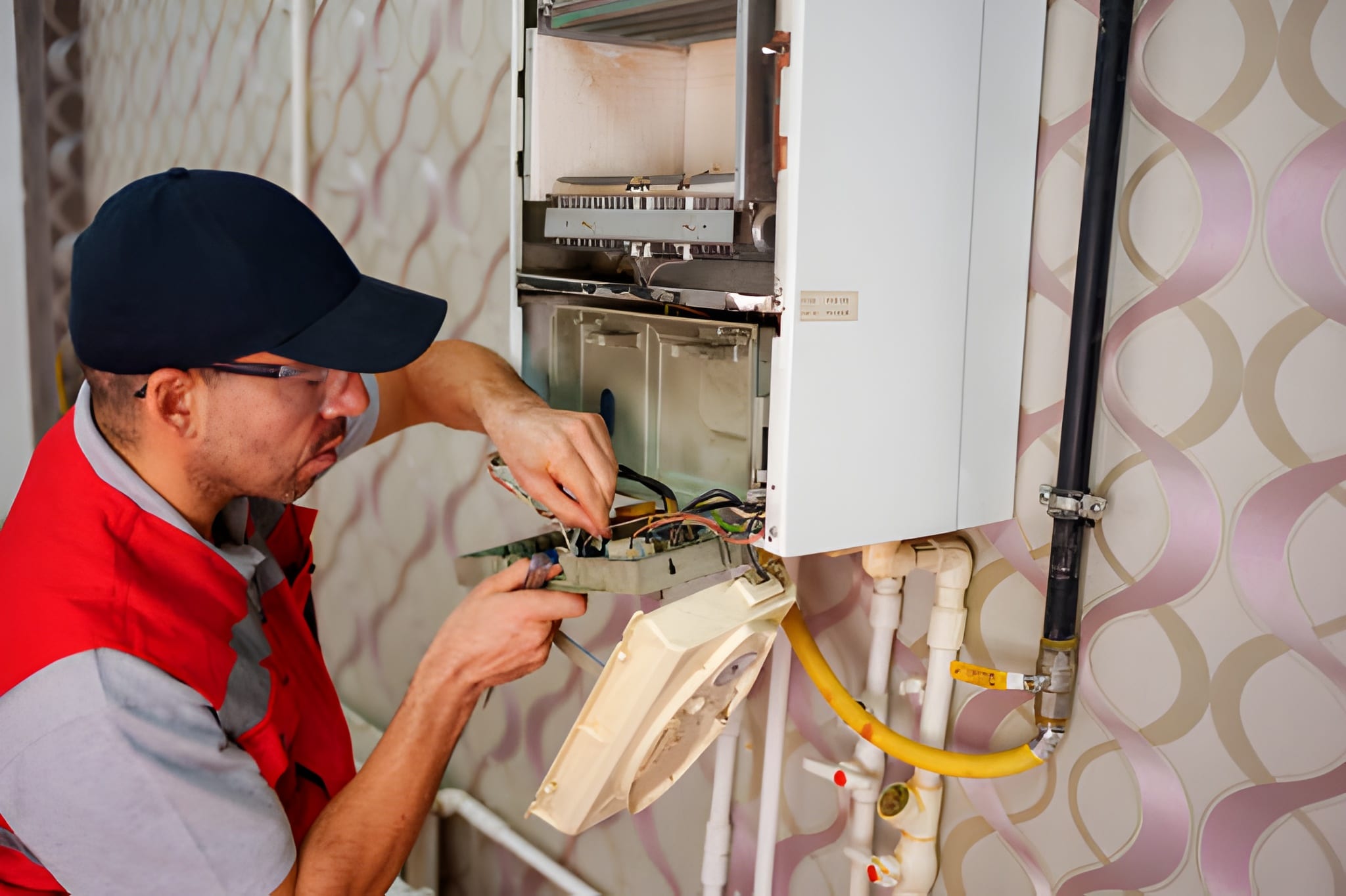
Common heating systems in Aubrey, TX and why maintenance matters
- Gas furnaces: Many Aubrey homes use natural-gas furnaces that need annual inspection for safe combustion and to protect against heat exchanger cracks and carbon monoxide risk.
- Heat pumps: Widely used for year-round comfort; they should be checked before both heating and cooling seasons because they operate almost year-round in North Texas.
- Hybrid systems: Combined heat pump and furnace setups require coordinated maintenance to ensure smooth switchover and efficient operation.
Local factors that affect heating maintenance needs:
- Occasional subfreezing temperatures during winter increase system runtime and stress.
- Spring and fall pollen and dust from rural areas can clog filters and reduce airflow.
- Power interruptions during storms can cause repeated cycling or component stress.
If your heating is already showing signs of trouble, our heating repair team in Aubrey can diagnose and fix the issue.
What a comprehensive heating maintenance program includes
A professional program focuses on safety, reliability, and efficiency through a predictable checklist and seasonal scheduling.
- Tune-Up and performance test
- Clean burners, heat exchanger inspection, test ignition and flame sensors.
- Verify system starts, cycles, and reaches target temperatures efficiently.
- Filter and airflow inspection
- Check and advise on filter type and replacement frequency.
- Measure airflow and inspect blower wheel and motor for dust buildup.
- Safety checks
- Carbon monoxide risk assessment and combustion analysis for gas systems.
- Inspect venting, gas connections, and heat exchanger integrity.
- Electrical and component inspection
- Tighten electrical connections, test capacitors and relays, check thermostat wiring.
- Examine belts, pulleys, and lubrication points on older systems.
- Efficiency optimization
- Calibrate thermostats, check blower speed and fan controls, confirm proper gas pressure or refrigerant charge for heat pumps.
- Recommend duct sealing or insulation where losses are detected.
- Duct and condensate evaluation
- Inspect visible ductwork for leaks, disconnected seams, and insulation gaps.
- Clear and test condensate drain and trap for proper drainage.
- Record keeping and recommendations
- Provide a maintenance report with observed issues, part life estimates, and scheduling suggestions.
Typical diagnostic process technicians follow
- Review prior maintenance records and homeowner notes (comfort complaints, unusual noises).
- Inspect filters, vents, and visible ductwork for immediate airflow problems.
- Conduct safety and combustion tests for gas systems, including carbon monoxide reading and venting checks.
- Test electrical components and controls under load, and measure performance metrics (temperature rise, static pressure).
- Run system through several cycles to observe behavior under real conditions.
- Deliver a clear service summary noting immediate repairs vs recommended upgrades.
Common heating issues found in Aubrey, TX homes and how they’re resolved
- Restricted airflow from clogged filters or blocked vents
Solution: Replace filters and clear vents; inspect and clean blower components. - Failing ignition or pilot systems
Solution: Clean or replace ignition components and verify proper gas flow and safety switches. - Dirty burners or inefficient combustion
Solution: Clean burners, adjust gas pressure and perform combustion analysis to restore efficiency.' - Worn blower motors, belts, or bearings
Solution: Lubricate moving parts, replace belts, or replace motors when wear is severe. - Refrigerant issues in heat pumps
Solution: Leak diagnosis and repair, refrigerant recharge, and component checks for compressors and reversing valves. - Duct leakage or poor insulation
Solution: Seal accessible ducts, add insulation, and recommend professional duct repairs for persistent losses. - Cracked heat exchanger or corrosion
Solution: Immediate safety assessment; in many cases, heat exchanger replacement is recommended to eliminate CO risk.
For systems past their expected lifespan, consider a heating installation in Aubrey — a new unit will deliver better efficiency than maintaining aging equipment.
Maintenance agreements and scheduling — what to expect
Maintenance agreements provide predictable care and peace of mind without surprises. Typical features include:
- Seasonal reminders and priority scheduling for pre-winter and pre-summer Tune-Ups.
- Detailed service records to support warranty requirements and resale documentation.
- Planned maintenance intervals aligned with system type (furnace vs heat pump) and household needs.
- Preferential terms for diagnostic visits and emergency response times, and straightforward explanations of recommended repairs and parts life expectancy.
Recommended maintenance frequency for Aubrey homeowners
- Filter checks: Inspect monthly; replace every 1–3 months depending on filter type, household pets, and pollen/dust levels.
- Gas furnace: Professional inspection and Tune-Up annually, preferably in fall before cold weather.
- Heat pump: Professional service twice a year—once before cooling season and once before the heating season.
- Older systems (10+ years): Consider biannual professional checks and earlier replacement planning as efficiency and reliability decline.
- Duct cleaning/inspection: Every 3–5 years or sooner if you see dust buildup, musty odors, or pest evidence.
- Carbon monoxide detectors: Test monthly and replace batteries per manufacturer recommendations, especially after maintenance of combustion appliances.
Benefits of regular heating maintenance for Aubrey, TX homes
- Reduced breakdowns: Regular checks find small problems before they turn into weekend or overnight failures during cold snaps.
- Longer equipment life: Clean, properly adjusted systems last longer and delay expensive replacements.
- Lower energy bills: Optimized combustion, correct refrigerant charge, and good airflow reduce wasted energy.
- Improved safety: Combustion testing and heat exchanger inspections reduce carbon monoxide and fire risks.
- Better indoor air quality and comfort: Clean filters and balanced airflow reduce allergens and deliver more even heat.
- Warranty and resale value protection: Properly documented maintenance helps preserve manufacturer warranties and shows upkeep to potential buyers.
Regular heating maintenance is a practical investment for Aubrey homeowners who want dependable warmth during winter cold spells, improved indoor air quality during pollen season, and lower operating costs year-round. By following recommended service intervals and addressing small issues early, homeowners protect their comfort, safety, and long-term equipment value.

Flexible Financing Options
Explore our range of flexible financing options designed to suit your needs and budget.