



Your Guide to Home Energy Savings: Cut Utility Bills with Smarter HVAC Choices

High energy bills in the Dallas–Fort Worth area usually trace back to aging or poorly tuned HVAC equipment and a leaky building envelope — which together increase run time and reduce comfort. This guide lays out how HVAC efficiency, attic insulation, duct sealing, smart thermostats, and targeted home energy audits work together to lower utility costs, improve indoor air quality, and help you qualify for local rebates. You’ll get practical, DFW-specific tips on what to expect from a professional audit, how insulation and ducts affect heat transfer, and which control upgrades pay back fastest. Each section explains the how, estimates likely savings where possible, and shows which measures to prioritize so you can get the biggest return first. The emphasis is on clear, actionable steps — maintenance, selective upgrades, and rebate-aware planning — so you stop guessing and start saving.
What Are the Most Effective HVAC Energy Saving Tips for DFW Homes?
Routine HVAC care, targeted air sealing, the right thermostat strategy, and selective equipment upgrades work together to cut run time and waste by addressing both the system and the home’s envelope. In the DFW market, controlling summer heat gain and delivering cooling efficiently are the highest-impact moves because cooling dominates seasonal energy use. Below are practical actions DFW homeowners can implement themselves or schedule with a qualified HVAC contractor to reduce monthly bills reliably.
Top HVAC energy-saving actions for DFW homes:
• Schedule an annual AC tune-up: A professional tune-up optimizes refrigerant charge, cleans coils, and verifies fans and motors are running efficiently. Regular tune-ups preserve system efficiency and reduce the risk of breakdowns during peak cooling months.
• Change filters regularly: Clean filters lower airflow resistance and reduce blower energy use while keeping comfort steady. Replace filters every 1–3 months depending on household conditions and filter type to maintain airflow and indoor air quality.
• Seal and insulate ducts: Sealing ducts in attics, crawlspaces, and other unconditioned areas reduces delivery losses and short-cycling. Proper duct sealing can cut leakage by roughly 10–30%, translating to noticeable energy savings and better comfort.
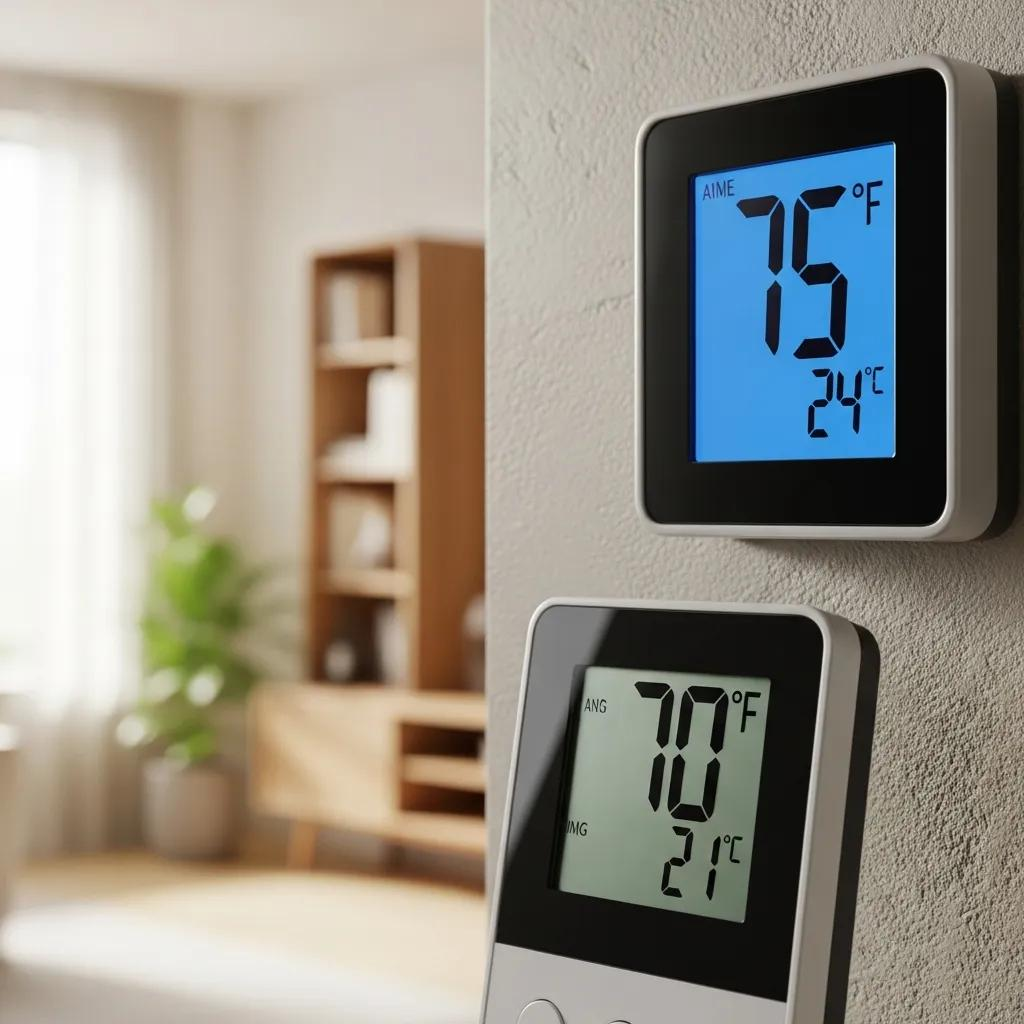
• Install a smart thermostat: Smart controls trim run time through scheduling, geofencing, and adaptive setbacks. When conpd and used correctly, smart thermostats can reduce HVAC energy use by about 10–15%, especially in cooling-heavy climates like DFW.
• Upgrade to high-efficiency equipment when needed: Replacing very old compressors and air handlers delivers the largest efficiency gains. Modern high-SEER2 air conditioners and heat pumps offer substantial savings and often qualify for rebates, which lowers net cost.
These priority steps produce immediate run-time reductions and set your home up for larger upgrades that increase long-term savings. The table below compares common measures so you can quickly match cost, benefit, and timing to your budget.
• AC tune-up — Attribute: System optimization, refrigerant check — Expected Impact: Moderate energy savings; prevents efficiency loss
• Filter replacement — Attribute: Airflow maintenance — Expected Impact: Small immediate savings; bigger comfort benefits
• Programmable/smart thermostat — Attribute: Scheduling, remote control — Expected Impact: 10–15% HVAC energy reduction when used properly
• Duct sealing — Attribute: Reduces leakage in unconditioned spaces — Expected Impact: 10–30% delivery efficiency improvement
This comparison helps you pick measures with the best near-term ROI while planning larger investments. Next, we explain how routine maintenance produces those savings both mechanically and financially.
How Does Regular HVAC Maintenance Lower Energy Consumption?
Regular maintenance reduces energy use by keeping heat-exchange surfaces clean, ensuring proper refrigerant charge, and minimizing mechanical friction through lubrication and calibration. Clean coils transfer heat more effectively so compressors achieve setpoints with fewer cycles, and correct refrigerant levels prevent excessive compressor workload. Routine service also catches worn components early, preserving efficiency and extending equipment life. Scheduling consistent tune-ups and timely filter changes reduces unexpected failures and helps systems perform close to their rated efficiency during peak cooling months.
What Are the Benefits of Upgrading to High-Efficiency HVAC Systems?
Upgrading to high-efficiency HVAC lowers energy consumption by improving compressor, fan, and coil performance, and by matching system capacity to home loads with modern controls. High-SEER2 units and contemporary heat pumps can cut cooling energy use significantly compared with older equipment, often delivering double-digit percentage savings in the DFW climate when paired with good ductwork and insulation. New systems also tend to be quieter, offer better comfort, and qualify for rebates. For homeowners considering replacement, financing and rebate consulting make high-SEER2 systems more affordable and speed up payback.
If you’d like professional guidance on replacements or financing, Greentech Engineering Heating & Air Conditioning provides expert recommendations, rebate consulting, and flexible financing plans to help prioritize upgrades while minimizing upfront cost.
How Can a Home Energy Audit in Dallas Identify Savings Opportunities?
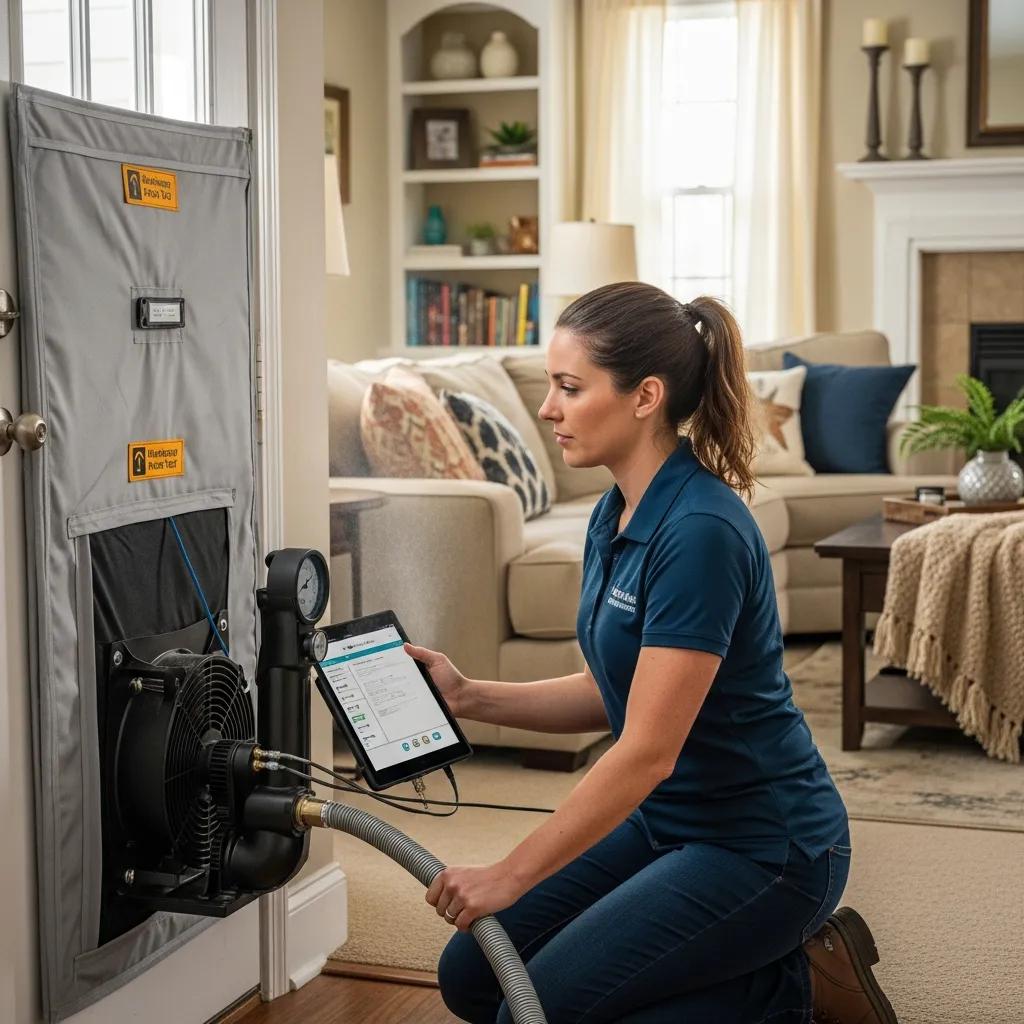
A home energy audit is a methodical inspection using diagnostic tools to measure infiltration, insulation performance, and HVAC delivery. It produces a prioritized list of actions that cut waste and improve comfort. Audits combine blower-door testing, infrared imaging, duct leakage testing, and HVAC performance checks to quantify where energy is lost and which fixes give the best ROI. A professional audit replaces guesswork with a ranked plan so you can schedule sealing, insulation, or system replacement based on measured savings. Below is a compact audit checklist with the common tests and the benefits they deliver.
What to expect from a professional home energy audit:
Blower-door test: Measures whole-house airtightness and highlights infiltration-driven energy loss. This test locates leaks that create drafts and raise cooling and heating bills.
Thermal imaging: Shows missing insulation, bypasses, and thermal bridges in the attic and walls. Infrared scans reveal temperature differences that point to problem areas.
Duct leakage and pressure tests: Quantify conditioned air lost before reaching living spaces. These tests identify leaks that hurt system efficiency and comfort.
HVAC performance review: Checks refrigerant charge, airflow, controls, and overall system efficiency. This evaluation confirms whether your system is running properly and highlights repairs or upgrades.
This measured approach turns defects into prioritized improvements with estimated savings so you can invest where payback is fastest. The table below summarizes audit components, what they evaluate, and typical homeowner findings.
• Blower-door — What It Evaluates: Air infiltration and leaks — Typical Findings/Impact: Reveals leakage points; guides air sealing to reduce energy loss
• Thermal imaging — What It Evaluates: Insulation coverage and thermal bridges — Typical Findings/Impact: Identifies missing attic insulation and wall gaps
• Duct testing — What It Evaluates: Duct leakage and pressure balance — Typical Findings/Impact: Finds major delivery losses; sealing improves comfort
• HVAC diagnostics — What It Evaluates: System charge, airflow, efficiency — Typical Findings/Impact: Detects underperformance; tune-ups or replacement recommended
Professional audits often include rebate consulting to help homeowners capture incentives and a prioritized report that supports confident decisions about insulation, ductwork, or HVAC upgrades. When you’re ready to act, Greentech Engineering Heating & Air Conditioning offers home energy audits and a free second opinion on recommended replacements to make sure you choose the best investment path.
Why Is Attic Insulation and Ductwork Sealing Crucial for Home Energy Savings?
Attic insulation and duct sealing address two of the biggest non-equipment sources of energy loss: heat transfer through the roof and conditioned-air leakage from the distribution system. Proper attic insulation raises the R-value of the ceiling thermal barrier, reducing heat gain in summer and heat loss in winter. Sealed ducts keep conditioned air in the living space instead of losing it to unconditioned areas. Together, these envelope and distribution improvements shorten HVAC run times and even out comfort throughout the home.
The list below highlights the main benefits of focusing on both attic insulation and duct sealing.
• Reduced cooling load: Less heat entering the living space shortens compressor run time and lowers energy use during hot DFW summers.
• Improved airflow and comfort: Sealed ducts balance room temperatures and eliminate hot/cold spots for better overall comfort.
• Better equipment performance: Lower run times reduce wear and can extend service life, lowering the risk of premature failures and costly repairs.
These measures often deliver some of the highest ROI among home energy improvements because they boost system effectiveness without replacing major equipment. Next, we explain how attic insulation works in practical terms and what installers look for.
How Does Proper Attic Insulation Improve Energy Efficiency?
Proper attic insulation raises the R-value between the conditioned space and the roof plane, slowing heat flow into the home during hot DFW summers and reducing unwanted heat loss in winter. Blow-in cellulose or fiberglass fills cavities and blocks convective pathways when installed to the correct depth and coverage, lowering peak cooling loads and reducing short cycling. Insulation works best alongside air sealing — gaps and bypasses must be closed to get full thermal benefit. Homeowners who prioritize insulation upgrades usually see measurable drops in cooling run time and steadier thermostat control.
What Role Does Ductwork Design and Sealing Play in Energy Conservation?
Duct design and sealing determine how much conditioned air reaches living spaces and how evenly temperatures are distributed, which directly affects system efficiency and comfort. Poor routing, disconnected joints, and unsealed seams in attics or crawlspaces can leak a large share of supply air, forcing equipment to run longer. Sealing and testing restore proper airflow, fix return-side imbalances, and reduce short-cycling. Professional duct design and targeted sealing typically deliver faster comfort improvements and energy savings than many equipment tweaks alone.
For attic blow-in insulation and professional duct sealing services, Greentech Engineering Heating & Air Conditioning offers installation and financing options, including partnership financing to lower upfront costs and help homeowners capture long-term savings.
How Do Smart Thermostats and Local Rebates Enhance Home Energy Savings?
Smart thermostats cut wasted run time by automating setbacks, learning patterns, and enabling remote control and diagnostics — all of which lower HVAC energy use without sacrificing comfort. Advanced controls can adapt schedules, use geofencing, and participate in demand-response programs to shift load during peak pricing. When installed and used correctly, these systems typically save 10–15% on HVAC energy.
The list below outlines core smart-thermostat benefits and steps to capture available rebates.
• Automatic scheduling and adaptive setbacks: Saves energy by reducing conditioning when spaces are unoccupied, lowering unnecessary run time and bills.
• Remote access and monitoring: Prevents wasted run time through real-time adjustments and diagnostics so you can manage comfort from anywhere.
• Integration with HVAC diagnostics: Alerts prompt timely maintenance to preserve efficiency and avoid bigger repairs.
To maximize savings from rebates and financing, document equipment SEER2 ratings and contractor invoices, then work with a rebate specialist to match local programs to your project. Greentech Engineering Heating & Air Conditioning provides rebate consulting and financing options, including partnership programs, to make smart-thermostat installs and efficiency upgrades more affordable.
What Energy Management Benefits Do Smart Thermostats Provide?
Smart thermostats manage temperature proactively by learning occupancy patterns, enabling precise setbacks, and allowing remote control to avoid conditioning empty homes. They also collect runtime and performance data that can reveal system inefficiencies before they become failures, supporting targeted maintenance and better sizing decisions. These capabilities lead to steady energy savings and fewer temperature swings. Professional installation ensures reliable integration with your HVAC system and clear visibility into performance.
How Can DFW Homeowners Maximize Savings Through Energy Rebates and Financing?
Homeowners get the most savings by combining documented efficiency upgrades with rebate consulting to find applicable DFW and federal incentives, then using financing to spread upfront costs and improve payback. Rebate consultants match measures — like high-SEER2 systems, heat pumps, and smart thermostats — to current programs and prepare required paperwork. Financing partners reduce immediate cash outlay, making it easier to select higher-efficiency equipment with faster lifecycle savings. For tailored advice on rebates and financing for energy upgrades, Greentech Engineering Heating & Air Conditioning offers consulting and flexible payment options to help homeowners move forward confidently.
Conclusion
Energy-efficient HVAC upgrades and focused envelope work can noticeably lower your utility bills while improving home comfort. Prioritize routine maintenance, make smart, targeted upgrades, and get a professional audit so you invest where it pays off fastest. Don’t miss available rebates and financing that make these improvements more affordable. Contact Greentech Engineering Heating & Air Conditioning today to see which steps will save you the most on energy costs.

Flexible Financing Options
Explore our range of flexible financing options designed to suit your needs and budget.