



Rooms that won't cool, hot spots upstairs, cold spots downstairs, or weak airflow from certain vents — the problem is almost always poorly designed ductwork, not your HVAC equipment.
Greentech Engineering's duct design in Rose Hill, TX uses Manual D calculations, CAD layouts, and airflow testing to engineer a system that delivers balanced comfort to every room.
Get Your Professional Duct Design Consultation
Once your ductwork is properly designed, fine-tune comfort with our room temperature service in Rose Hill, TX — NCI-certified airflow balancing that ensures every room reaches the right temperature.
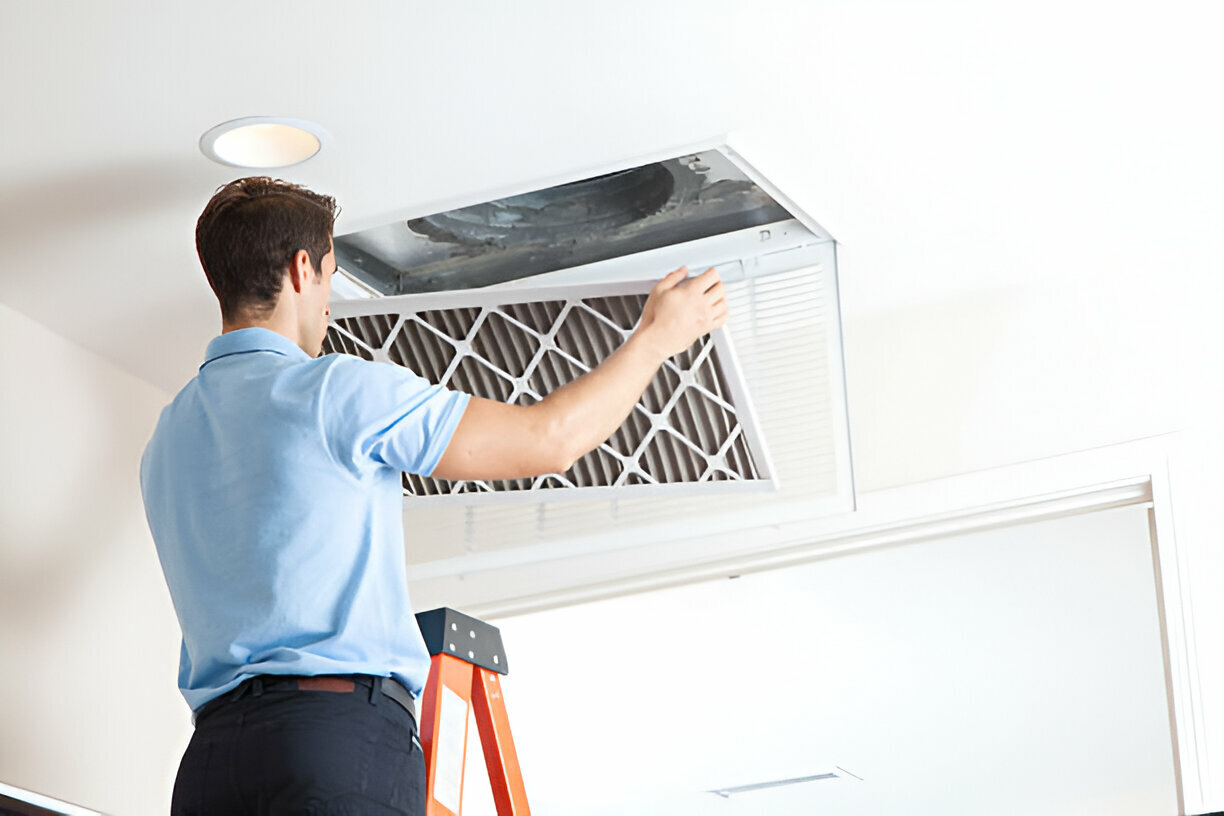
Why purpose-built duct design matters in Rose Hill, TX
- Summer cooling is the primary load in Rose Hill. Incorrectly sized ducts and poorly sealed runs waste cooling capacity and let attic heat or humid air undermine indoor comfort.
- Many North Texas homes have ducts routed through unconditioned attics, crawlspaces, or garages. That makes insulation, sealing, and routing critical to prevent heat gain and condensation issues.
- New construction and retrofit projects face different constraints. Green Tech designs systems that fit the home, the equipment, and how residents actually use each space.
Common duct design problems we solve
- Uneven room temperatures and persistent hotspots
- Short cycling and reduced equipment life due to poor airflow
- High electric bills from inefficient distribution and leakage
- Noisy supply registers or whistling returns caused by undersized/unbalanced runs
- Condensation and mold risks from undersized returns or poor insulation in humid months
Our duct design services (what Green Tech delivers)
- Load calculations (Manual J) to determine accurate heating and cooling requirements room by room
- Duct sizing and layout (Manual D) that matches airflow needs to register locations and equipment capability
- Airflow balancing strategies, including register selection, damper locations, and zoning considerations
- Material and insulation recommendations for Rose Hill climate: duct board, metal, flex options, and insulation types suited for hot, humid conditions
- Sealing and leakage prevention techniques using mastic, UL-rated tapes, and where appropriate, aerosol-based sealing
- Design services for both new construction and retrofit projects with attention to clearances, attic penetrations, and existing framing
- Coordination with HVAC equipment selection so the system installed closely matches the design airflow and static pressure requirements
- Duct leakage testing protocols and recommended target leakage levels for energy-efficient operation
- Sample deliverables: plans, CAD/layouts, register schedules, equipment interaction diagrams, and itemized scope and estimates
How we diagnose and design (simple, transparent process)
- Site assessment and measurements: We inspect the home or plan set, note orientation, attic access, insulation levels, and register locations.
- Load calculation (Manual J): Calculate conditioned load for each room using current standards. This determines capacity and airflow targets.
- Duct sizing (Manual D): Design duct paths and sizes to deliver required airflow to every room, considering static pressure limits and realistic installation conditions.
- Material, insulation, and sealing plan: Specify materials and insulation types appropriate for attic exposures common in Rose Hill homes.
- Deliverables and coordination: Provide CAD-ready layouts, register/vent schedules, and installation notes for contractors or builders.
- Field verification: Where practical, measure airflow and perform leakage testing after installation and recommend balancing adjustments.
Practical design choices for Rose Hill homes
- Route supply and return runs to minimize long, restrictive runs through attic extremes to reduce heat gain and pressure imbalances.
- Use insulated ducts or place ducts within conditioned spaces when possible to limit attic heat transfer during summer.
- Prioritize return air effectiveness: undersized or improperly located returns are a major cause of hot rooms and pressure-related infiltration.
- Specify durable sealing methods at joints and boots to resist seasonal expansion and contraction in Texas temperatures.
- Account for humidity control through proper airflow and coordination with equipment that includes adequate dehumidification capability.
Sealing, testing, and balancing — the difference between a plan and real-world comfort
- Sealing: We specify mastic and approved tapes at connections and boots. For retrofit projects, we evaluate aerosol duct sealing where attic access and leak patterns make it beneficial.
- Testing: Duct leakage testing using industry-standard tools quantifies leakage and guides repairs. This is essential in hot climates where leakage can translate directly to increased cooling loads.
- Balancing: Using flow hoods and static pressure readings, we tune dampers and registers so each room receives the designed airflow, reducing hotspots and improving system efficiency.
Design for new construction vs retrofit
- New construction: We integrate duct routing into framing plans to keep runs short and ducts within conditioned space where possible. CAD layouts and installation notes reduce costly field changes.
- Retrofit: We provide workable layouts that respect existing structure and minimize invasive demolition. Our designs prioritize sealing, correct sizing, and targeted balancing to get maximum performance from existing equipment or to identify when equipment changes are required.
Sample deliverables you will receive
- Room-by-room Manual J load summary
- Manual D duct layouts and sizing plan in CAD or printable PDF
- Register and return placement schedule with CFM targets
- Duct material and insulation specification list with installation notes for attic and crawl spaces
- Duct leakage test protocol and post-installation report template
- Estimated labor and material scope for bidding or in-house installation
How proper duct design benefits your home and HVAC system
- Improved comfort: fewer hotspots and more consistent temperatures room to room
- Better indoor air quality: balanced return paths reduce dust and unconditioned air infiltration
- Energy efficiency: less wasted cooling from leakage and thermal gain in uninsulated runs
- Longer equipment life: correct airflow reduces motor and compressor stress
- Predictable installation: professional plans reduce change orders and installation surprises
Why Green Tech for duct design in Rose Hill, TX
Green Tech brings engineering-based duct design grounded in current Manual J and Manual D practices and an understanding of local building patterns and climate challenges. Our approach is practical and centered on measurable outcomes: balanced airflow, sealed distribution, and designs that integrate with your chosen HVAC equipment. Whether planning new construction or improving a decades-old system, our plans are produced to be clear for installers and effective for homeowners.
FAQs
Q: What is the difference between Manual J and Manual D?
A: Manual J is the load calculation that determines how much heating and cooling each room needs. Manual D is the ductwork design that determines the size, layout, and routing of duct runs to deliver that required airflow.
Q: Will a duct redesign work with my existing HVAC equipment?
A: Often yes. We coordinate duct design with equipment capability. If the existing equipment cannot deliver required airflow without excessive static pressure, we document options including equipment changes or alternative duct strategies.
Q: Do you test for duct leakage after installation?
A: Yes. We specify and recommend post-installation duct leakage testing and provide leakage targets and repair guidance tailored to Rose Hill climate conditions.
Q: How long does the design process take?
A: Typical design timelines vary by project complexity. For a standard single-family home, a complete design package is often delivered within a few business days after site assessment or receiving plan sets.
Q: Can proper duct design reduce my energy bills?
A: Proper design reduces wasted airflow, leakage, and heat gain, which improves system efficiency and comfort. Results depend on existing system condition, insulation, and installation quality.

Flexible Financing Options
Explore our range of flexible financing options designed to suit your needs and budget.