




Rooms that won't cool, hot spots upstairs, cold spots downstairs, or weak airflow from certain vents — the problem is almost always poorly designed ductwork, not your HVAC equipment.
Greentech Engineering's duct design in Roanoke, TX uses Manual D calculations, CAD layouts, and airflow testing to engineer a system that delivers balanced comfort to every room.
Get Your Professional Duct Design Consultation
Once your ductwork is properly designed, fine-tune comfort with our room temperature service in Roanoke, TX — NCI-certified airflow balancing that ensures every room reaches the right temperature.
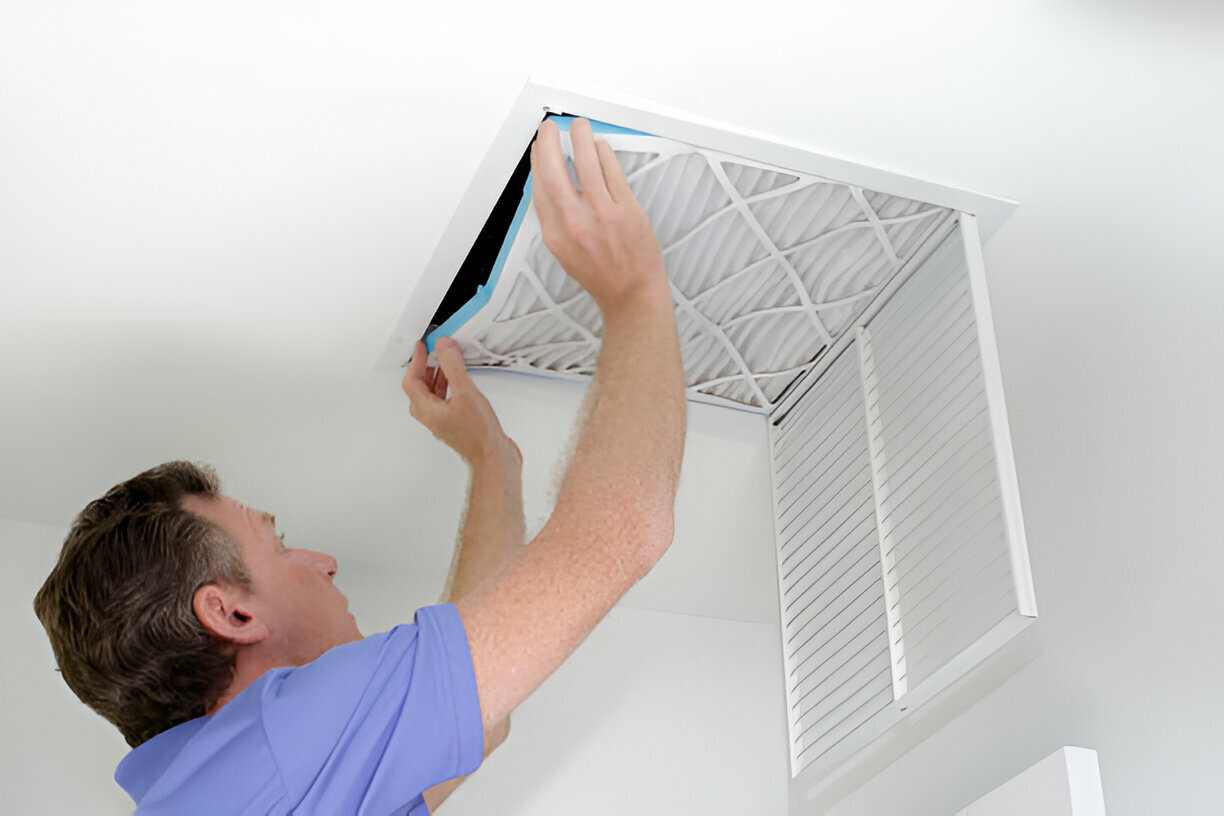
Common duct system problems in Roanoke homes
- Uneven room temperatures and persistent hot spots during summer.
- Excessive noise from ducts or registers when the system ramps up.
- High energy use and short cycling caused by high static pressure.
- Poor ventilation in bedrooms, bonus rooms, or remodeled spaces.
- Duct leakage in older attics and crawlspaces, leading to dust, humidity, and conditioned air losses.
- Mismatched ductwork when new HVAC equipment is installed without redesign.
What professional duct design includes
Greentech’s Duct Design in Roanoke, TX covers the technical and practical elements that produce reliable, efficient airflow:
- Manual J load calculations to size heating and cooling capacity for each conditioned space.
- Manual D duct sizing and layout to determine trunk runs, branch sizes, register placement, and friction rates.
- Airflow and static pressure analysis to ensure the selected air handler or furnace operates within manufacturer limits.
- Material selection guidance (sheet metal vs flexible duct) based on run length, accessibility, noise control, and durability.
- Zoning and balancing strategies to eliminate hot/cold spots, including damper locations, bypass considerations, and return air planning.
- Integration checks for new HVAC equipment: coil and cabinet fit, matched external static, and return path adequacy.
- Code compliance and permitting support to meet local mechanical codes and inspection requirements.
- Deliverables: scaled drawings, duct schedules, equipment performance tables, and installation specifications for contractors and inspectors.
Greentech’s duct design process
- Onsite assessment and plan review: measure the home, attic, and mechanical locations; note insulation, windows, and orientation — items that matter for Roanoke’s climate.
- Manual J heat gain and loss: room-by-room load to avoid oversized equipment that wastes energy.
- Manual D layout: develop a practical routing plan that minimizes long flex runs and avoids excessive turns and restrictions.
- Static pressure and fan performance check: match duct design to the selected equipment curve to prevent low flow or high pressure.
- Zoning and balancing plan: specify dampers, register sizes, and commissioning targets to achieve even temperatures.
- Final deliverables: stamped drawings and clear installation specs for permit submission and field crews.
Material choices: sheet metal vs flexible duct
- Sheet metal duct
- Pros: durable, low leakage when sealed correctly, smooth interior reduces friction, best for long trunk runs and exposed plenums.
- Cons: heavier, requires accurate fabrication and coordination in tight attics.
- Flexible duct
- Pros: fast to install for short branch runs, forgiving around obstacles.
- Cons: higher friction and leakage risk when stretched or kinked; best used only where runs are short and straight.
- Greentech recommends a hybrid approach: sheet metal for trunks and major branches, properly supported flex for short runs to registers.
Airflow, static pressure, zoning and balancing explained
- Airflow is measured in cubic feet per minute (CFM) and must match each room’s load. Under-delivery causes comfort complaints; over-delivery wastes energy.
- Static pressure is the resistance the fan must overcome. Design keeps total external static pressure within the equipment manufacturer’s recommended range to protect performance and longevity.
- Zoning uses motorized dampers and multiple thermostats to control different areas independently. In Roanoke homes with large open floor plans or second-story overheating, zoning is a common solution.
- Balancing is the commissioning step that adjusts dampers and register settings to achieve the target CFM distribution shown on the design drawings.
Code compliance and permitting in Roanoke, TX
Greentech prepares plans that comply with applicable local and state mechanical codes and provides documentation needed for permit submittal and inspections. Properly prepared drawings reduce delays at permitting and ensure the installation meets safety and ventilation requirements, protecting indoor air quality in humid Texas summers.
Deliverables you can rely on
- Scaled duct layout drawings with trunk and branch sizes
- Equipment selection and fan-performance verification
- Static pressure calculations and target CFM per room
- Zoning and damper wiring diagrams when applicable
- Installation specifications: sealing, insulation R-values, support spacing, and register types
- These deliverables make installations smoother, reduce change orders, and give contractors precise criteria to follow.
How proper duct design improves comfort and efficiency
- Even temperatures and fewer complaints about hot or cold rooms
- Lower energy bills through correct equipment sizing and minimized duct losses
- Quieter operation with fewer high-velocity runs and properly sized plenums
- Longer equipment life by reducing fan stress and short cycling
- Improved indoor air quality by ensuring adequate return paths and reduced leakage into attics and crawlspaces
Maintenance and long-term considerations
Well-designed ducts are easier to maintain. Greentech’s design specifications include recommended access points for cleaning and future inspection. Periodic duct sealing and insulation checks are especially important in Roanoke, where attic temperatures can spike in summer and increase heat transfer through ducts.
Q: How long does a professional duct design take to produce?
A: Typical turnaround depends on project complexity but most residential Manual J and Manual D packages, including site survey and deliverables, are completed within a few business days to two weeks.
Q: Will a new duct design require replacing my HVAC equipment?
A: Not always. A duct redesign may be integrated with existing equipment if the load and fan performance allow. Greentech evaluates whether the current air handler or furnace can meet the revised static pressure and airflow targets.
Q: Can redesigned ductwork fix uneven cooling between floors?
A: Yes. A combination of correct balancing, targeted zoning, and appropriate register placement often resolves multi-level comfort issues common in Roanoke homes.
Q: Do you include permitting documentation?
A: Yes. Greentech prepares the drawings and specifications that support local permit applications and inspection readiness.

Flexible Financing Options
Explore our range of flexible financing options designed to suit your needs and budget.