


Rooms that won't cool, hot spots upstairs, cold spots downstairs, or weak airflow from certain vents — the problem is almost always poorly designed ductwork, not your HVAC equipment.
Greentech Engineering's duct design in Irving, TX uses Manual D calculations, CAD layouts, and airflow testing to engineer a system that delivers balanced comfort to every room.
Get Your Professional Duct Design Consultation
Once your ductwork is properly designed, fine-tune comfort with our room temperature service in Irving, TX — NCI-certified airflow balancing that ensures every room reaches the right temperature.
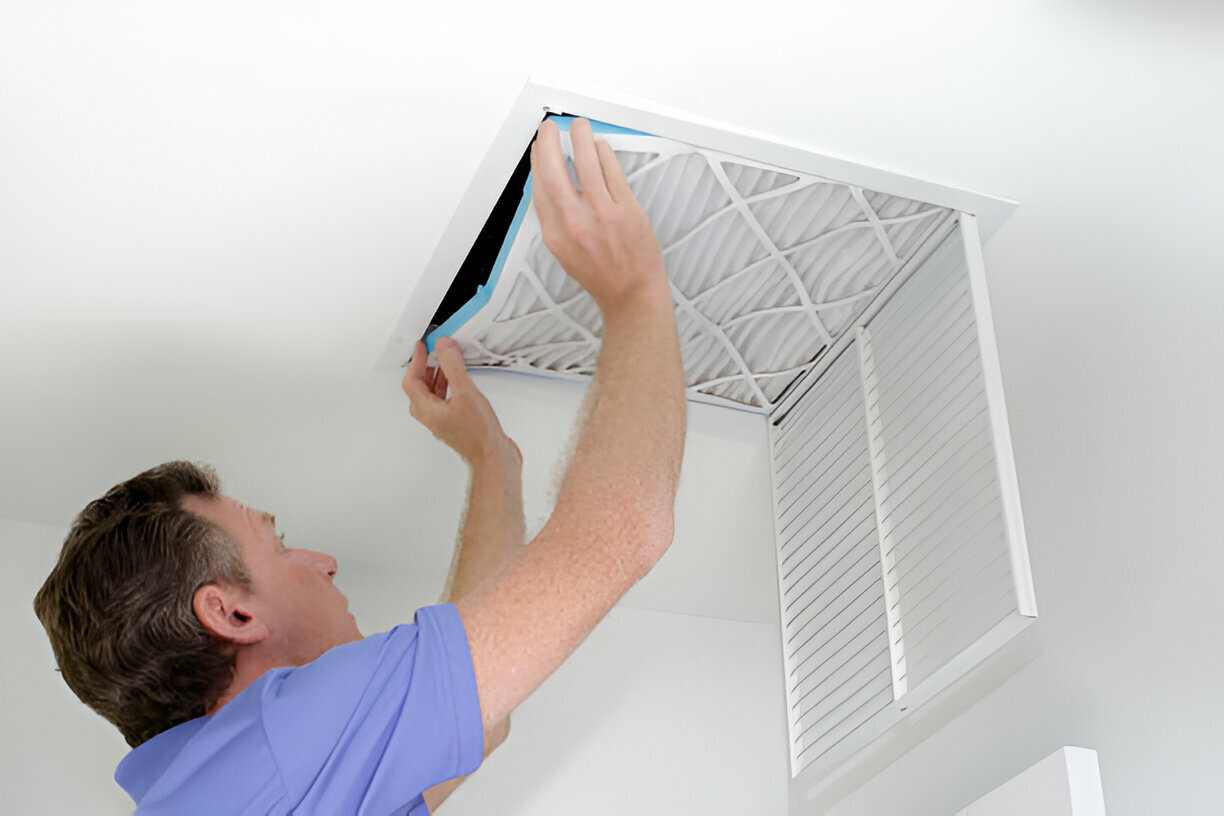
Why good duct design matters in Irving, TX
- Uneven cooling and temperature swings are common in Dallas-Fort Worth area homes when ducts are improperly sized or routed.
- High outdoor temperatures make pressure drops and duct leakage more costly because the system runs longer to meet cooling loads.
- Older Irving neighborhoods often have constrained attic and crawlspace space, requiring custom layouts and retrofit expertise.
- Green Tech’s duct design services target these local realities by optimizing airflow, reducing losses, and integrating with variable-speed equipment typical in modern high-efficiency systems.
Common duct problems we solve
- Undersized or oversized duct runs causing poor airflow and short-cycling
- Excessive duct leakage and unsealed joints that increase energy use
- Imbalanced systems with hot or cold rooms and return-air restrictions
- Noisy branches, high diffuser velocities, and turbulent fittings
- Poorly integrated add-on equipment or mismatched blower/equipment selections
Our duct design process (what you can expect)
- Site survey and data collection
- Inspect the building envelope, attic/crawlspace access, existing duct layout, insulation, and return pathways.
- Record thermostat locations, equipment model and blower performance, and any renovation constraints common to Irving homes.
- Load calculations (Manual J and related standards)
- Produce a room-by-room heating and cooling load using ACCA Manual J methodology to size equipment correctly for local climate conditions.
- Duct layout and sizing (Manual D considerations)
- Create a custom duct plan using Manual D principles to size trunks, branches, and returns for design CFM and target static pressure.
- Heating interaction and additional considerations (Manual H where applicable)
- Coordinate duct design with heating systems, hydronic interfaces, or make-up air requirements for combined systems.
- Material and insulation recommendations
- Recommend sheet metal, flexible duct, or ductboard for different runs and specify insulation R-values appropriate for Dallas-Fort Worth attics and code.
- Zoning, balancing, and controls
- Design zoning strategies and register layouts, and recommend dampers and control schemes to improve occupant comfort.
- Commissioning and testing
- Verify system performance with airflow testing, static pressure measurements, and calibrated balancing using industry-standard tools
Materials and installation recommendations
- Sheet metal (galvanized or aluminized) for main trunks in light-commercial or accessible attic spaces: durable and low-leak when sealed with mastic.
- Insulated flexible duct for short, protected runs to reduce installation time and noise; avoid long, snaking flex runs that create pressure loss.
- Rigid fiberglass or internally insulated ductboard only in dry, well-supported locations and where code permits.
- Seal all connections with mastic or UL-approved tapes and specify R-8 or better duct insulation for unconditioned attics consistent with regional energy codes to minimize thermal loss.
Zoning and balancing strategies
- Multi-zone systems or motorized dampers are effective for Irving homes with inconsistent solar loads or split-level layouts.
- Balance registers during commissioning to achieve design CFM to each room; adjust diffuser orientation to improve distribution without increasing fan speed.
- Use pressure-independent terminal devices or smart thermostats in complex renovations to ensure consistent comfort across zones.
Integration with existing systems and retrofits
- When retrofitting, Green Tech matches duct capacity to existing blower curves and recommends blower upgrades or ECM motors when necessary to achieve target airflow without excessive noise.
- Provide return-air pathway corrections (transfer grilles, dedicated returns) to eliminate pressurization and improve efficiency.
- For rooftop or packaged units in light-commercial buildings, detail curb transitions, curb adapters, and rooftop duct insulation for thermal control and condensation prevention.
Strategies to minimize energy loss and noise
- Proper sizing to avoid high air velocity that creates noise and increases fan energy.
- Minimize bends and transitions; use turning vanes and gradual transitions where space allows.
- Isolate noise sources with lined plenums or acoustic duct liners in sensitive areas.
- Reduce leakage with full sealing, high-quality collars, and pressure testing; even a 10 percent reduction in leakage yields noticeable comfort and efficiency gains in hot-weather operation.
Commissioning and airflow testing procedures
- Measure total static pressure, external static pressure, and supply/return CFM at registers using flow hoods and manometers.
- Perform duct leakage testing (blower door or duct blaster where applicable) and compare against design targets.
- Record pre- and post-adjustment temperatures and system run times; document final balance and provide a handover report showing measured CFM to each zone.
Residential and light-commercial examples
- Single-family retrofit in Irving: Reworked undersized trunk line and improved return pathways; result was a 20 percent reduction in run time and even second-floor temperatures.
- New-construction subdivision home: Full Manual J/D-driven layout with high-efficiency multistage equipment and zoning; quiet operation and consistent comfort across rooms.
- Small office/light-commercial rooftop integration: Custom curb adapter, insulated duct transitions, and balancing to meet tenant comfort goals without replacing rooftop unit.
Code compliance and engineering consultation
Green Tech ensures designs comply with relevant International Residential Code (IRC), local Irving permitting requirements, and IECC energy provisions. For complex projects, our engineering consultation options include stamped drawings, performance specifications, and coordination with builders or architects to satisfy permitting and inspection workflows.
How professional duct design improves comfort and efficiency
Investing in engineered duct design reduces equipment runtime, lowers operating costs, and improves occupant comfort by delivering the right air at the right place and time. In Irving’s climate, where cooling dominates annual HVAC demand, reducing duct losses and ensuring proper airflow can significantly lower energy use while reducing noise and hot-spot complaints.
FAQs
Q: What is included in a Green Tech duct design package for Irving projects?
A: A complete package includes Manual J load calculations, Manual D duct layout and sizing, material and insulation specs, zoning recommendations, and commissioning test plans. Engineering consultation or stamped drawings are available if required.
Q: How do you address duct noise in retrofit situations?
A: We reduce velocity by resizing runs, add lined plenums or acoustic liners where needed, minimize sharp bends, and recommend variable-speed blowers to lower fan noise during lower-load conditions.
Q: Will the new duct design work with my existing air handler?
A: We evaluate the existing blower curve and may recommend blower upgrades, ECM motors, or minor layout changes to match required CFM without excessive static pressure or noise.
Q: Do you test ducts after installation?
A: Yes, commissioning includes static pressure measurement, register CFM testing, and optional duct leakage testing to confirm the system meets the design targets.
Q: What materials do you recommend for Irving attics?
A: For exposed attic trunks we recommend sheet metal with R-8 or better insulation and fully sealed joints; short insulated flex runs are acceptable to registers when properly supported and kept straight.
Q: Are your designs compliant with local codes and energy requirements?
A: Green Tech designs follow applicable IECC/IRC standards and local Irving permitting requirements; we can provide stamped drawings and documentation for permitting as needed.

Flexible Financing Options
Explore our range of flexible financing options designed to suit your needs and budget.