




Rooms that won't cool, hot spots upstairs, cold spots downstairs, or weak airflow from certain vents — the problem is almost always poorly designed ductwork, not your HVAC equipment.
Greentech Engineering's duct design in Denton, TX uses Manual D calculations, CAD layouts, and airflow testing to engineer a system that delivers balanced comfort to every room.
Get Your Professional Duct Design Consultation
Once your ductwork is properly designed, fine-tune comfort with our room temperature service in Denton, TX — NCI-certified airflow balancing that ensures every room reaches the right temperature.
Why proper duct design matters in Denton, TX
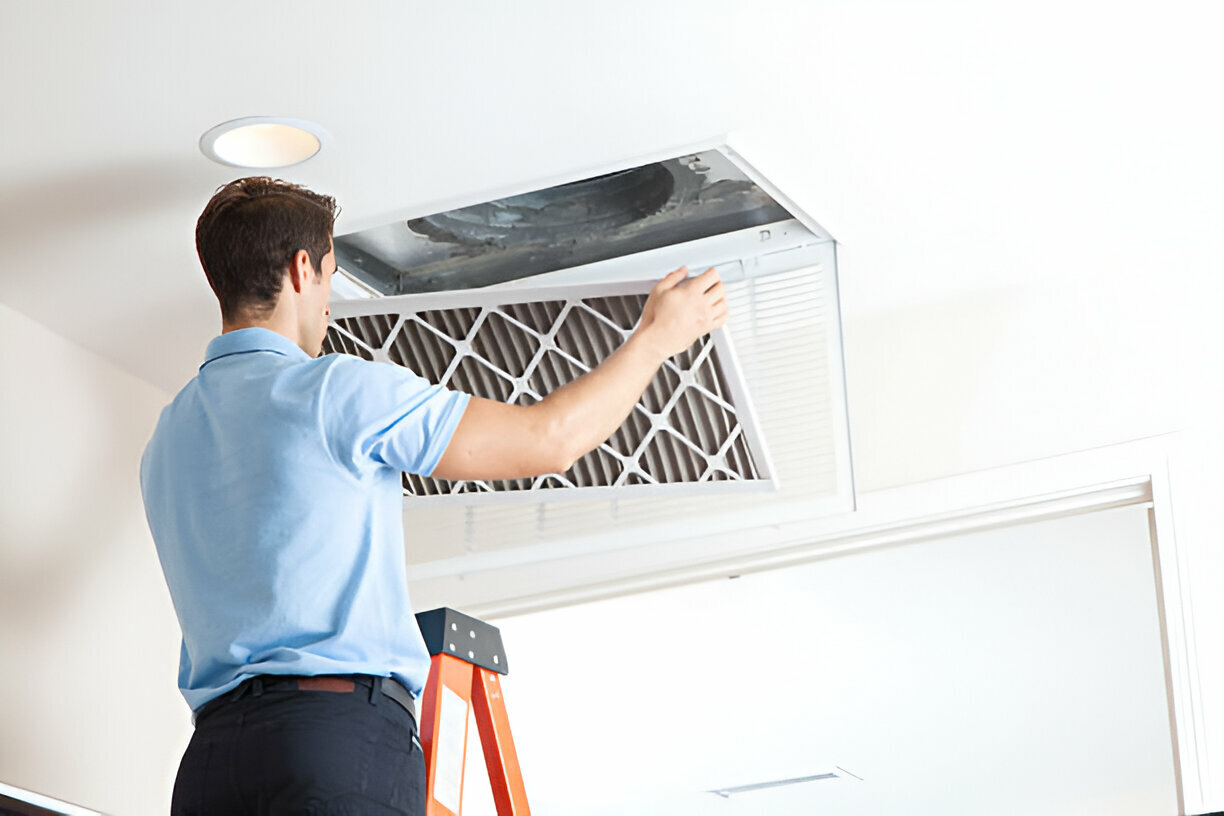
Denton’s climate stresses cooling systems more than heating systems. Poorly sized or routed ducts amplify humidity issues, create hot and cold spots, and drive up energy use. Proper duct design:
- Ensures rooms reach set temperatures quickly and stay comfortable
- Reduces run times and energy consumption by avoiding high static pressure
- Limits humidity carryover by improving air distribution
- Lowers noise from high velocity or turbulent airflow
- Extends equipment life by reducing unnecessary strain on fans and compressors
Green Tech brings HVAC and engineering consulting together to create duct systems that reflect both building loads and the local climate realities of Denton.
Common duct issues we solve in Denton homes
- Uneven temperatures between rooms and floors
- Noisy registers, rattling supply runs, and whistling at grilles
- High energy bills related to inefficient airflow and equipment cycling
- Undersized return pathways creating negative pressure and dust infiltration
- Leaky connections and poorly insulated ducts in attics or crawlspaces
- Retrofit challenges in older homes with limited chase space
Our duct design process
Green Tech follows an evidence-based process combining Manual J load calculations, Manual D/master planning, and practical installation standards:
- Home survey and data collection
- Measure square footage, ceiling heights, insulation levels, window orientation, and construction type relevant to Denton climate impacts.
- Inspect existing duct condition when retrofitting to identify leaks, insulation levels, and routing restrictions.
- Load calculations (Manual J)
- Calculate accurate heating and cooling loads per room to size equipment and determine supply air requirements. This prevents oversized or undersized systems that cause comfort problems.
- Master planning and duct layout (Manual D)
- Create a duct layout that balances supply and return paths, minimizes long runs and sharp bends, and locates registers for proper mixing and quiet delivery.
- Size trunks and branches using friction or velocity methods to keep static pressure within manufacturer recommendations.
- Equipment coordination
- Match duct design to the selected air handler or furnace performance curves so fan capacity, external static pressure, and coil selection are in harmony.
- Detailed documentation
- Provide plan drawings, register schedules, and a balancing plan to guide installation and testing.
- Testing and balancing
- Verify airflow, measure static pressure, and adjust dampers to achieve target CFM per room and acceptable total external static pressure.
Duct sizing, materials, and construction methods
A well-designed duct system relies on correct sizing and proper materials:
- Duct sizing: trunks, branches, and return pathways are sized to control airflow velocity and friction loss. We target lower static pressure to improve efficiency.
- Materials:
- Sheet metal for trunks and plenums where rigidity and airtight seams matter
- Insulated flex duct for short branch runs when installed taut with minimal bends
- Fiberglass-lined duct is avoided in high-moisture areas; insulated metal with external wrap is preferred for attics
- Sealing and connections:
- Use mastic and mechanical fasteners at seams, plus foil tape for joints. Avoid only vinyl tapes.
- Seal all boots, takeoffs, and register connections to prevent leak-related performance losses.
Duct sealing and insulation best practices for Denton
Because many Denton homes place ducts in attics or crawlspaces where temperatures swing widely, insulation and sealing are critical:
- Seal first, insulate second: sealing leaks with mastic or approved tapes reduces conditioned air loss before adding insulation.
- Attic ducts: target R-8 or higher for attic runs in North Texas climates to limit heat gain into supply air.
- Avoid compressing insulation or running ducts across hot surfaces. Maintain clearances to reduce thermal bridging and noise.
- Support flex ducts properly, limit total length, and avoid excessive bends to preserve designed airflow.
Solutions for new construction and retrofits
New construction
- Integrate ducts into framing early. Trunk locations, chase sizing, and return pathways are coordinated with builders and designers to avoid later compromises.
- Use properly sized plenums and straight trunk runs to reduce pressure loss from the outset.
Retrofits
- When space is limited, we design alternative routing, relocatable returns, or add short high-efficiency runs to balance rooms without invasive demolition.
- Isolate problem zones with zoning dampers and properly sized return air to fix persistent hot or cold rooms.
How good design improves efficiency and comfort
Proper duct design reduces total system energy use by improving fan efficiency and reducing compressor runtime. It eliminates common comfort complaints — uneven temperatures, noisy registers, and sticky humidity — while reducing dust and infiltration by keeping pressure balanced. In Denton’s summer months, these gains translate to measurable comfort improvements and lower utility bills and equipment stress.
Example projects
- New construction, Denton subdivision: A 3,200 square foot two story where early Manual J and Manual D planning reduced system external static pressure by 35 percent. Result: more even second-floor temperatures, lower fan energy, and quieter registers.
- Retrofit, 1980s Denton bungalow: Reworked undersized return pathway and sealed attic trunk. Result: eliminated negative pressure that pulled dust into the home and improved system capacity to maintain setpoint during peak heat.
Coordination with engineering consulting
Green Tech’s combined HVAC and engineering consulting approach ensures duct design is not isolated from equipment selection or building design. We coordinate coil performance, fan curves, and manufacturer external static pressure limits with duct layouts so theoretical designs perform in real homes. Our documentation supports builders, remodelers, and mechanical contractors through installation and balancing.
Benefits summary
- Consistent temperatures and improved humidity control in Denton homes
- Lower energy use and reduced equipment wear
- Quieter airflow and improved indoor air quality
- Scalable solutions for both new builds and tight retrofit scenarios
Green Tech’s duct design in Denton, TX applies proven engineering methods with local climate knowledge to deliver systems that perform as intended for years.
FAQs
Q: What steps are included in Green Tech's duct design process?
A: We conduct a home survey, Manual J load calculations, Manual D/master planning for layout and sizing, coordinate equipment selection, produce detailed plans, and complete testing and balancing.
Q: Will duct sealing and insulation really affect my energy bills in Denton?
A: Yes. Sealing leaks and insulating attic ducts reduces heat gain into supply air and prevents conditioned air loss, which lowers run times and energy consumption during Denton’s long cooling season.
Q: Can you design ducts for older homes with limited space?
A: Yes. We design retrofit solutions such as alternative routing, relocatable returns, and targeted zoning to improve comfort without full demolition.
Q: How do you ensure the ducts will be quiet?
A: We size ducts to avoid excessive air velocity, minimize restrictive bends, use insulated trunks where practical, and specify installation methods that reduce vibration and register noise.
Q: Do you coordinate duct design with equipment selection?
A: Yes. Green Tech matches duct design to air handler and coil performance, ensuring fan capacity and external static pressure align with the duct plan for reliable operation.
Q: What testing do you perform after installation?
A: We measure airflow and static pressure, adjust dampers for proper room CFM, and validate that system performance meets the design targets for comfort and efficiency.

Flexible Financing Options
Explore our range of flexible financing options designed to suit your needs and budget.