






New Construction HVAC Installation in Princeton, TX:
Behind the Scenes of a Five-Home Residential Project
Professional HVAC Design, Duct Engineering, and Air Handler Installation for Two-Story Single-Family Homes
When most homeowners walk through a newly built house, they see drywall, paint, lighting, and finishes. What they rarely see—and what ultimately determines long-term comfort, efficiency, and operating cost—is the HVAC system hidden behind the walls and ceilings.
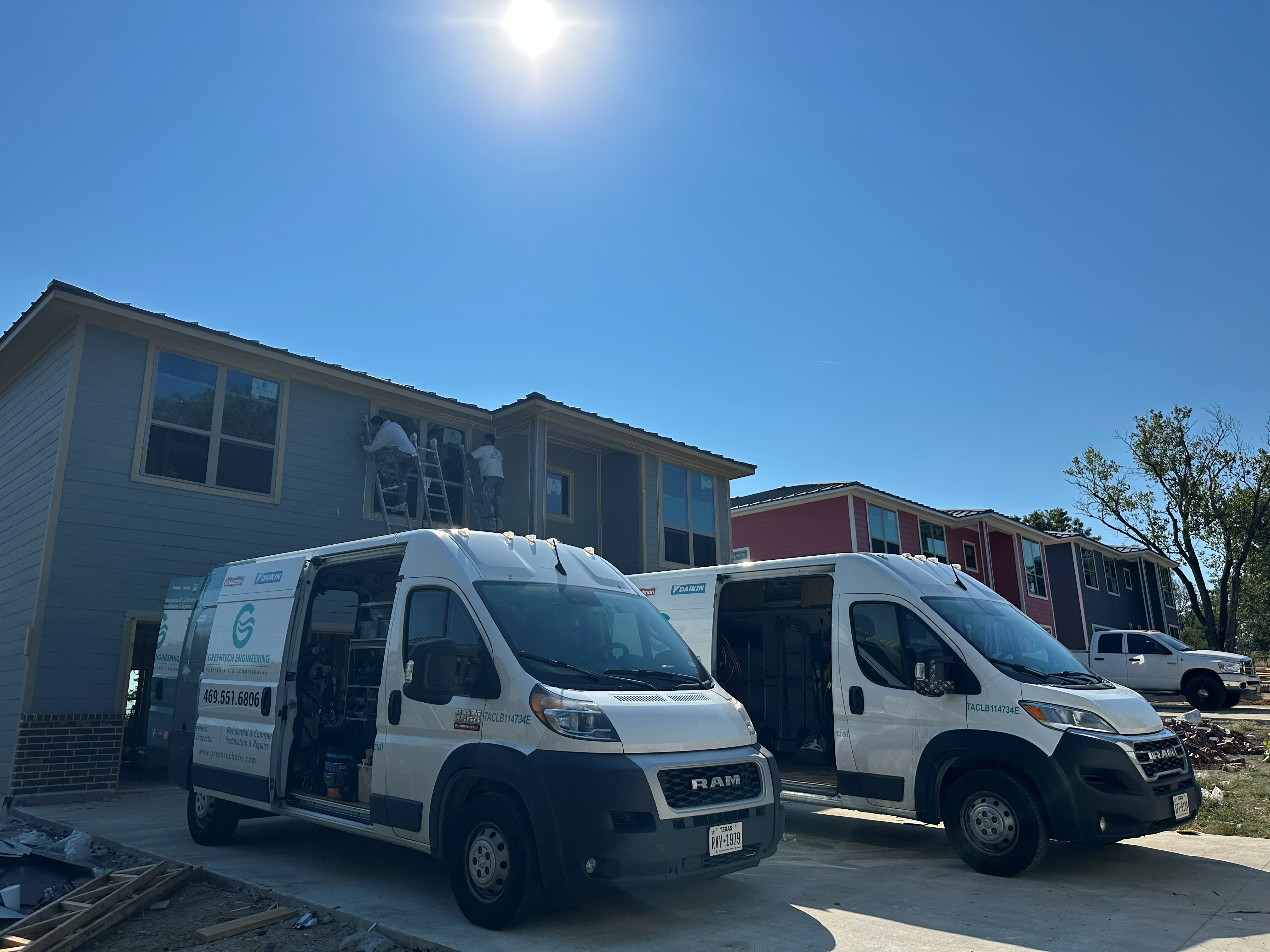
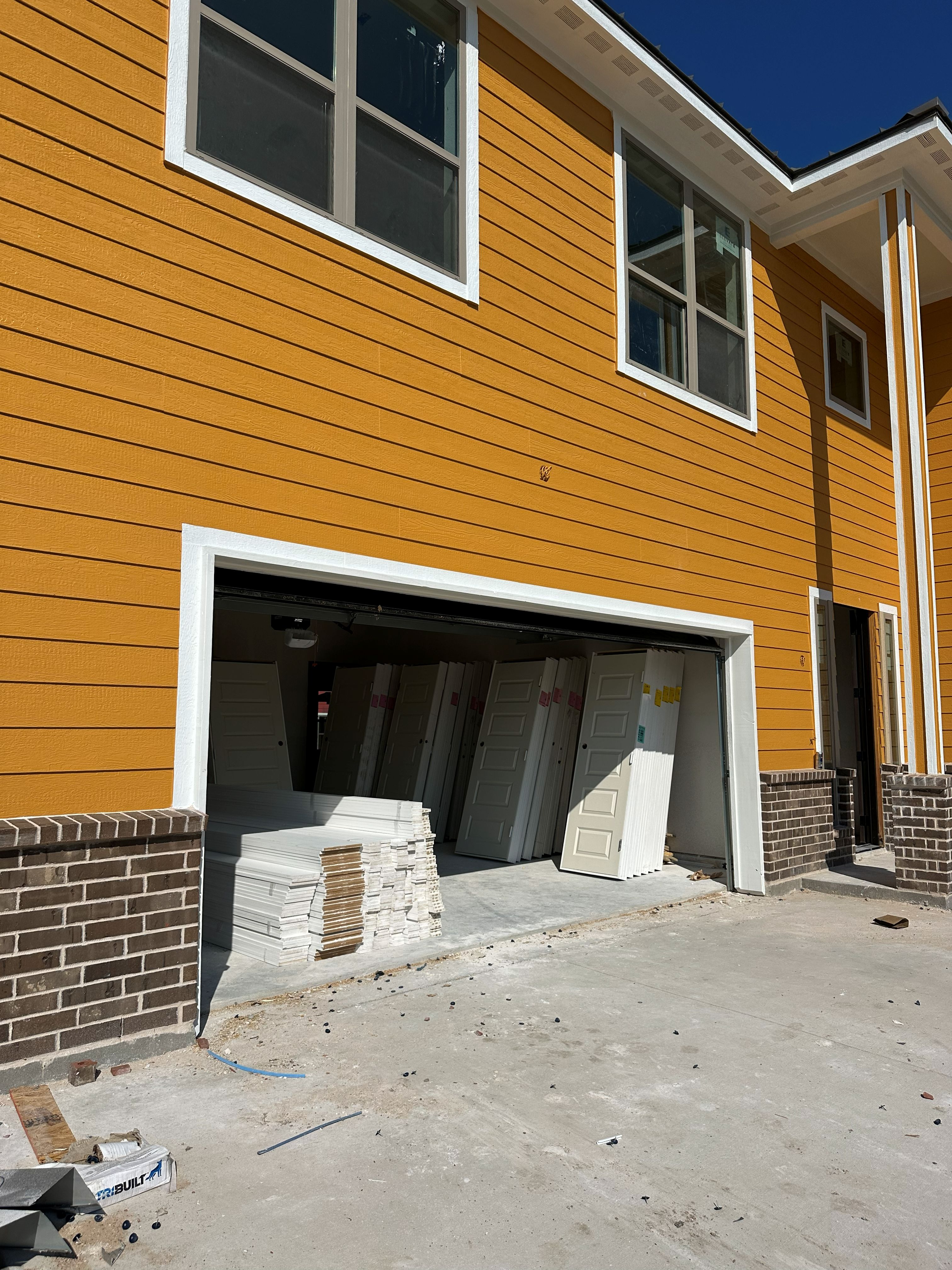
At Greentech Engineering Heating & Air Conditioning, we are currently working on a new construction HVAC installation project in Princeton, Texas, providing full mechanical system installation for five two-story single-family homes. This project offers an ideal opportunity to explain what professional HVAC design and installation actually involve—and why installation quality matters just as much as equipment selection.
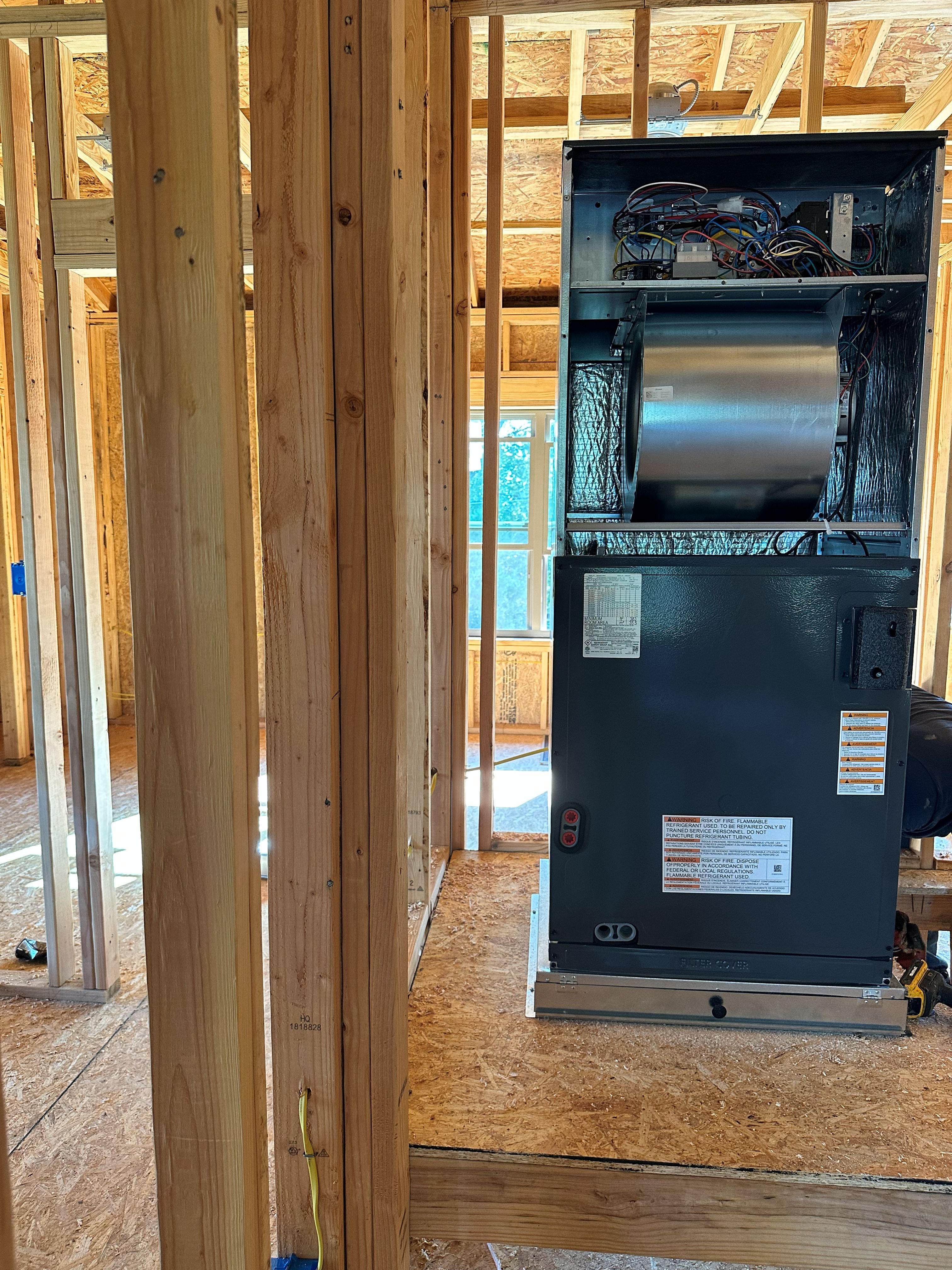
This article provides a behind-the-scenes look at our current stage of work, which includes indoor air handler installation (Goodman systems for this project) and complete duct system design and installation, all executed according to engineering-based best practices.
Why HVAC Quality in New Construction Matters More Than Most Homeowners Realize
In residential construction, HVAC is often treated as a “trade” rather than a system. In reality, an HVAC system is an integrated mechanical design that directly affects:
- Indoor comfort consistency
- Energy efficiency and utility costs
- Humidity control and indoor air quality
- Equipment lifespan and reliability
- Noise levels and airflow balance
Choosing a reputable brand is important—but even premium equipment will underperform if installed incorrectly. Conversely, a properly designed and installed system using reliable equipment can outperform expectations for decades.
In new construction, mistakes made during the rough-in phase are difficult—or impossible—to correct later without invasive and expensive rework. That is why engineering-driven HVAC design from day one is critical, especially in two-story homes, where airflow imbalance is common.
Learn more about New Construction Service
Project Overview: Five Two-Story Homes in Princeton, Texas
Location: Princeton, TX
Property Type: New construction, single-family residential
Building Design: Two-level homes
Scope of Work:
- Indoor air handler installation
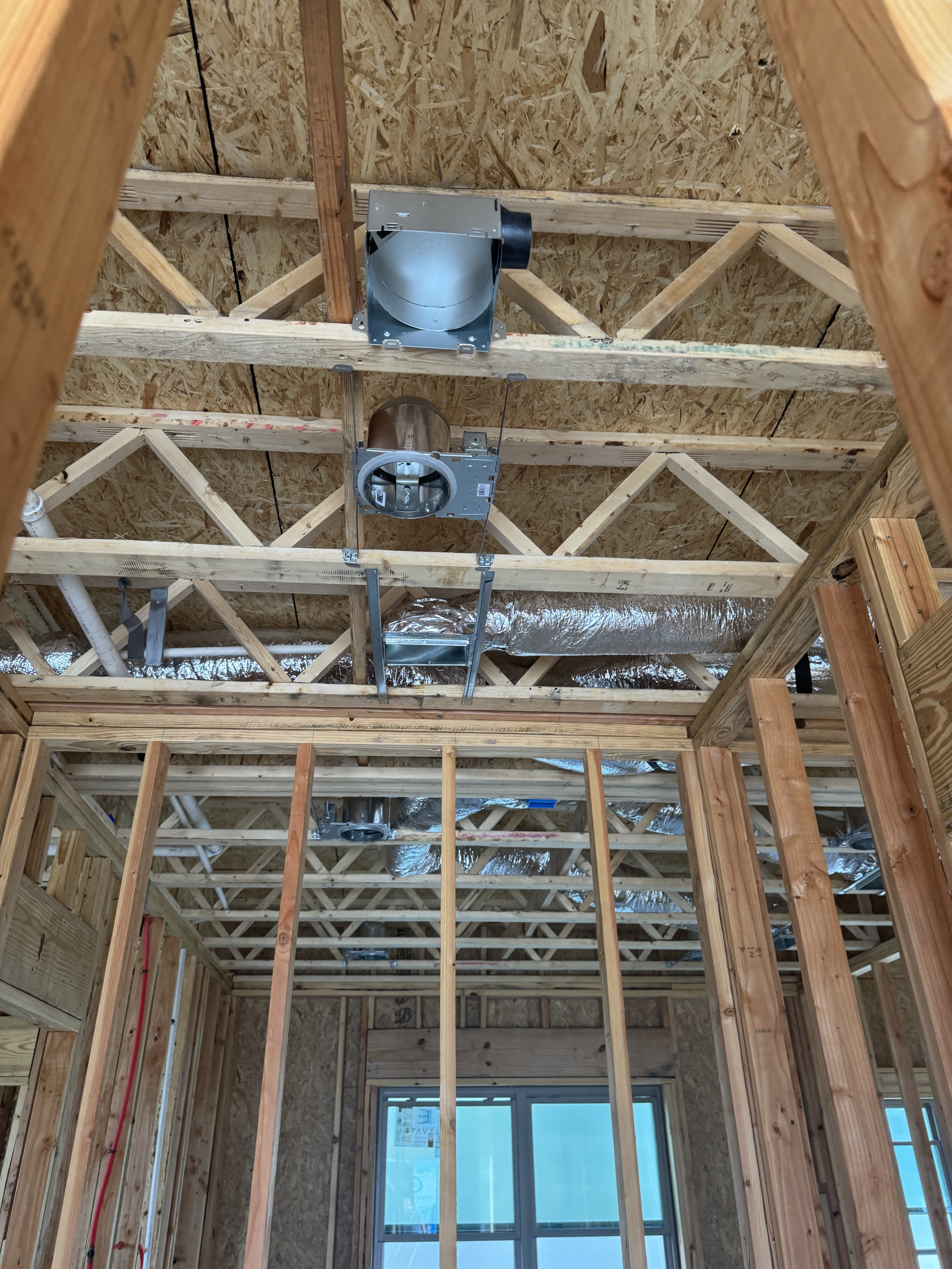
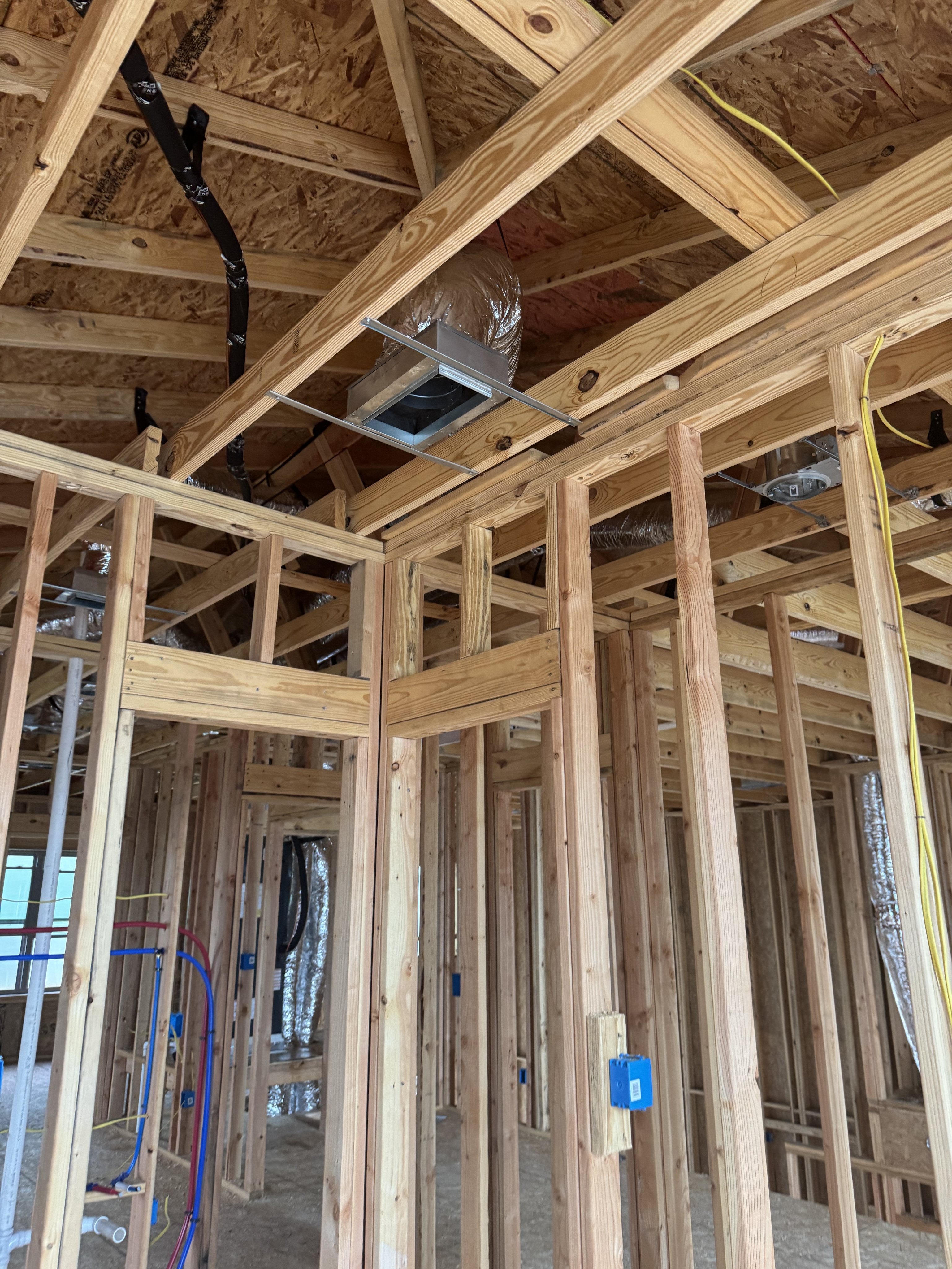
- Complete duct system design and installation
- Coordination with plumbing, electrical, and refrigerant trades
- Future outdoor AC unit installation after structural completion
For this project, the builder selected Goodman air handlers, a reliable and widely used platform for residential construction. Our responsibility is to ensure these systems are installed and commissioned correctly, so they perform as designed—not merely as advertised.
Stage One: Indoor Air Handler Installation
The indoor air handler is the heart of a split HVAC system. It houses the blower assembly, evaporator coil, and control interfaces that regulate airflow and cooling performance.
During installation, our team focuses on:
- Proper equipment placement for service access
- Correct mounting and leveling to prevent vibration and noise
- Accurate alignment with supply and return plenums
- Coordination with refrigerant line routing and condensate drainage
In new construction, air handlers must be installed with future serviceability in mind. Poor access leads to higher maintenance costs and shorter system life—an issue many homeowners only discover years later.
Stage Two: Professional Duct System Design and Installation
Why Ductwork Is the Most Critical (and Most Ignored) Component
Ductwork is not simply a collection of flexible tubes delivering air. It is a pressure-managed airflow network, and its design determines whether each room receives the correct volume of conditioned air.
In this project, duct design includes:
- Room-by-room airflow calculations
- Proper duct sizing for each supply run
- Strategic return air placement
- Balanced air distribution between floors
A common misconception among homeowners is that uneven temperatures—hot upstairs, cold downstairs—are caused by equipment limitations. In reality, these issues are usually duct design failures, not equipment failures.
Airflow Engineering: Calculating the Right Amount of Air for Every Room
Each room in a home has different thermal demands based on:
- Square footage and ceiling height
- Window size, orientation, and insulation
- External wall exposure
- Occupancy and usage
Professional HVAC design requires calculating the required cubic feet per minute (CFM) for each room. Supplying too little air results in discomfort; supplying too much creates noise, pressure imbalance, and wasted energy.
At Greentech Engineering HVAC, we approach duct design as an engineering task, not a rule-of-thumb exercise. The goal is consistent temperature control throughout the home—not just meeting minimum code requirements.
Duct Sizing, Layout, and Installation Precision
Once airflow requirements are determined, duct sizing and routing become critical.
For this Princeton project, our duct installation process emphasizes:
- Correct duct diameters to maintain design airflow
- Minimized static pressure losses
- Proper sealing at all connections
- Secure hanging and support to prevent sagging
- Clean routing that avoids sharp turns and restrictions
Even small installation shortcuts—such as undersized ducts or poorly sealed joints—can reduce system efficiency and increase operating costs for the homeowner.
Coordination With Other Trades: A Critical but Overlooked Factor
New construction HVAC installation does not happen in isolation. Our ductwork must coexist with:
- Water supply and drain pipes
- Electrical wiring and panels
- Refrigerant line sets
- Structural framing and load-bearing elements
This project clearly illustrates how HVAC professionals must coordinate closely with other construction teams. Poor coordination can lead to compromised airflow paths, inaccessible components, or forced design changes that reduce system performance.
Our experience in new construction allows us to anticipate conflicts early and adjust designs proactively—rather than reacting after problems arise.
Equipment Quality vs. Installation Quality: Why Both Matter
Homeowners often ask whether brand choice alone guarantees comfort and efficiency. The reality is straightforward:
- High-quality equipment + poor installation = poor performance
- Reliable equipment + professional installation = long-term success
Goodman systems, when installed correctly, provide dependable performance for residential applications. The key variable is who designs and installs the system.
At Greentech Engineering HVAC, we focus on installation quality, airflow accuracy, and system integration, ensuring that the equipment performs as intended under real-world conditions.
Planning Ahead: Outdoor AC Unit Installation
Once the main construction phase is complete, our team will proceed with installing the outdoor AC condenser units, followed by full system commissioning.
This final stage will include:
- Refrigerant line pressure testing
- Deep vacuum evacuation to industry standards
- Electrical verification and startup testing
- System performance checks and airflow validation
Only after these steps can a system be considered fully installed and ready for long-term operation.
Why Builders and Homeowners Choose Greentech Engineering HVAC
This Princeton new construction project reflects our core approach to residential HVAC:
- Engineering-based design, not shortcuts
- Precision installation at every stage
- Clear coordination with other trades
- Focus on long-term comfort and efficiency
We believe HVAC systems should be designed, installed, and documented with the same level of care as any critical building system—because that is exactly what they are.
Frequently Asked Questions (Q&A)
Q1: Why is HVAC design more important in two-story homes?
Two-story homes are more prone to temperature imbalance due to heat rising. Proper duct design and airflow balancing are essential to maintain consistent comfort on both levels.
Q2: Can HVAC problems be fixed after a home is finished?
Some issues can be corrected, but many duct design problems are difficult and costly to fix once walls and ceilings are closed. Proper design during construction is far more effective.
Q3: Is Goodman equipment suitable for new construction?
Yes. Goodman systems are widely used in residential construction and perform reliably when installed and commissioned correctly by qualified professionals.
Q4: What causes uneven room temperatures in new homes?
Common causes include improper duct sizing, poor airflow calculations, insufficient return air, and lack of system balancing—not necessarily equipment failure.
Q5: When are outdoor AC units installed in new construction?
Outdoor units are typically installed after major construction is complete to prevent damage and allow for proper final system commissioning.
Q6: Does Greentech Engineering HVAC serve Princeton, TX homeowners?
Yes. We provide HVAC installation, repair, and system design services throughout Princeton, Collin County, and the greater Dallas–Fort Worth Metroplex.
Conclusion: HVAC Is Invisible—but Its Impact Is Not
This new construction project in Princeton, Texas demonstrates a simple truth: HVAC systems are far more complex than what homeowners see after move-in day.
From duct design and airflow engineering to precise installation and cross-trade coordination, every decision made during construction affects comfort, efficiency, and reliability for years to come.
At Greentech Engineering Heating & Air Conditioning, we take that responsibility seriously—and we build systems that perform as designed, not just as promised.
Author
Siwei (Lucas) Chen
CTO, Greentech Engineering Heating & Air Conditioning
- B.S. Mechanical Engineering
- ACCA Certified (Manual J, S, D)
- NCI-Certified in Air Balancing & Duct Optimization
- 10+ Years of HVAC Engineering Experience in Dallas–Fort Worth
Lucas specializes in residential new construction HVAC design, airflow optimization, and system performance diagnostics for single-family homes across North Texas.

Flexible Financing Options
Explore our range of flexible financing options designed to suit your needs and budget.